





 Empty Cart


Recent Posts
-
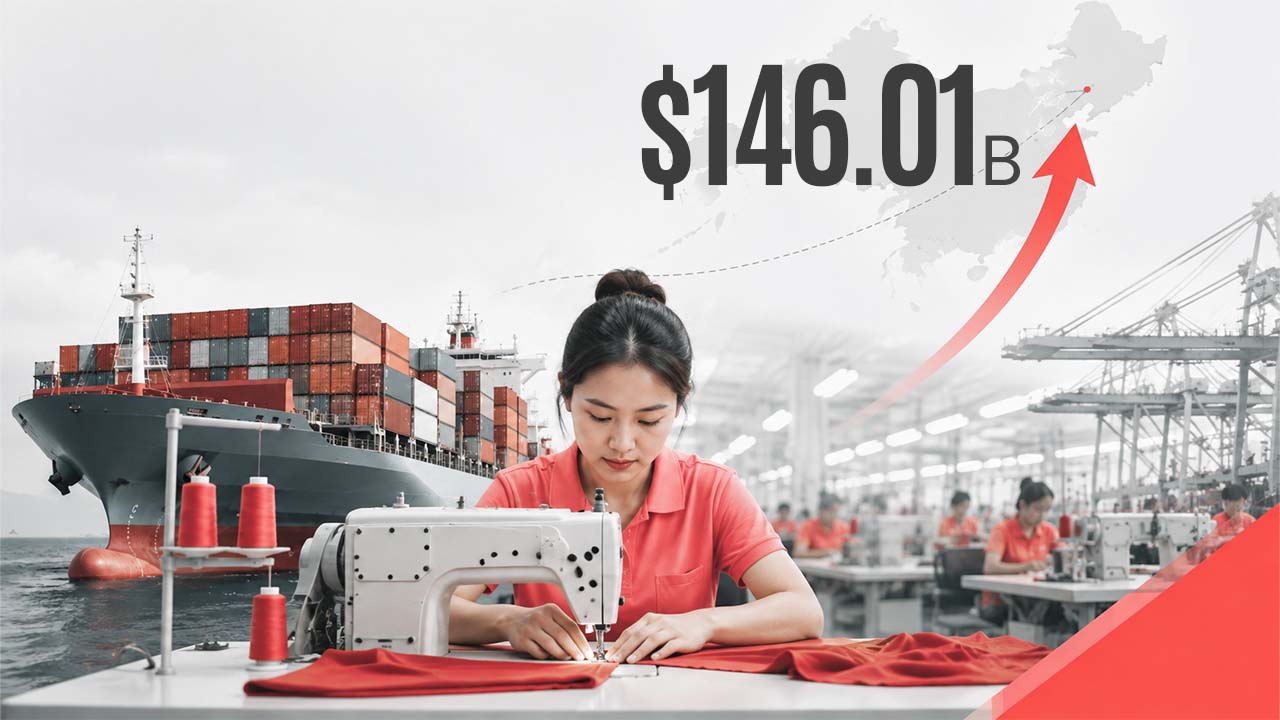 China's Textile and Apparel Exports Reach $146 Billion in H1 2026
-
 Parent-Child Craft Workshop: Families Create Patchwork Bags at Threadify Fashion Complex
-
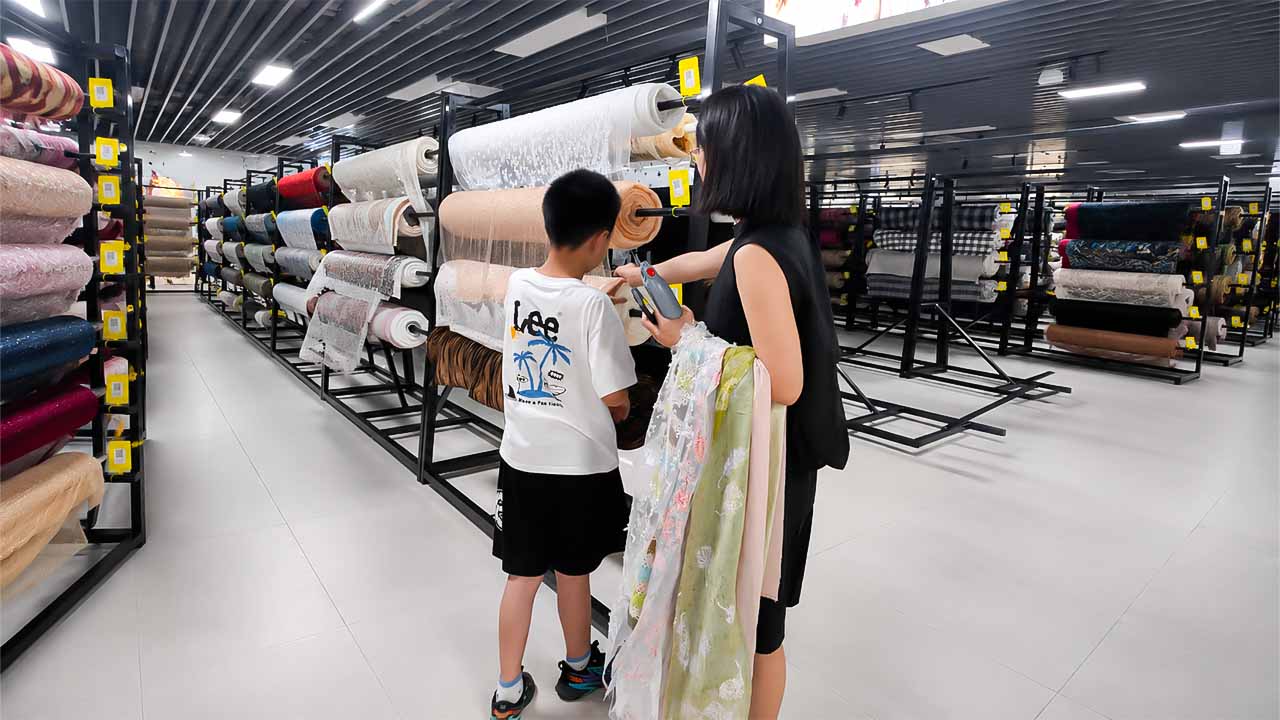 Parent-Child Craft Workshop in Keqiao: Make a Bag of Joy at Threadify Fashion Complex
-
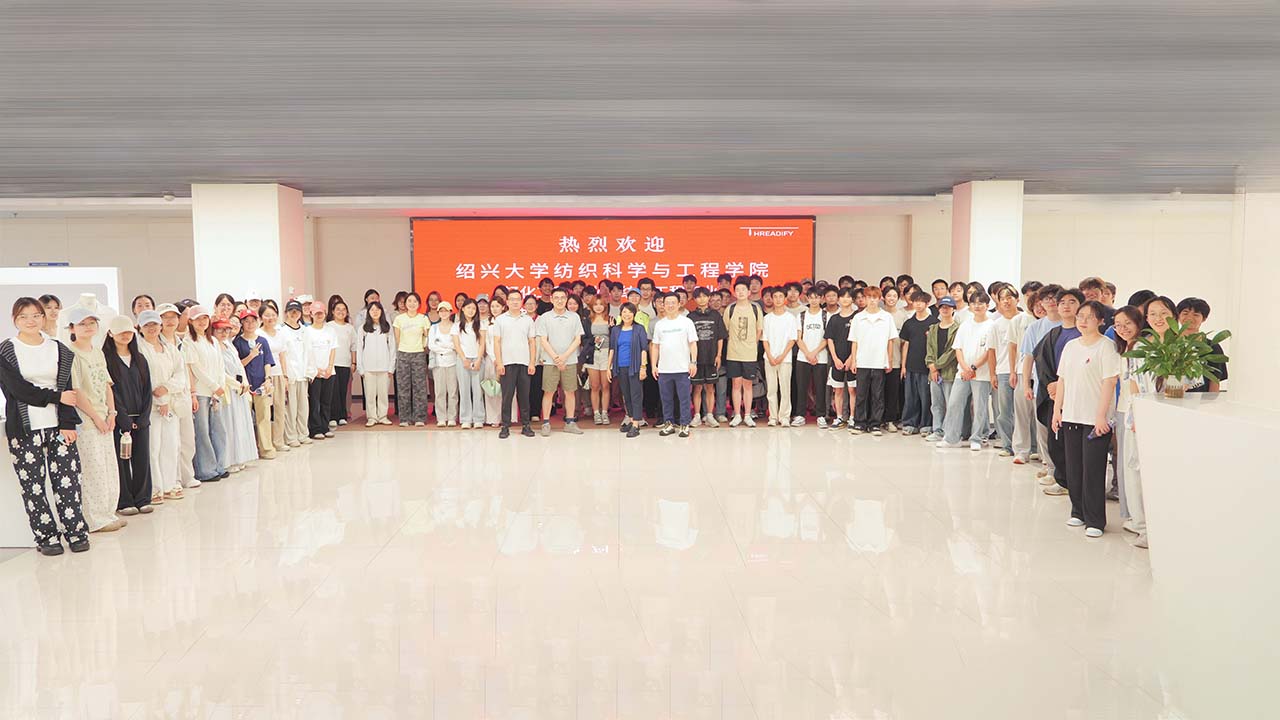 Shaoxing University Brings 200 Students to Threadify for a Hands-On Textile Study Tour
-
 Ammonium Sulfate as a Textile Dyeing Agent & Auxiliary Chemical
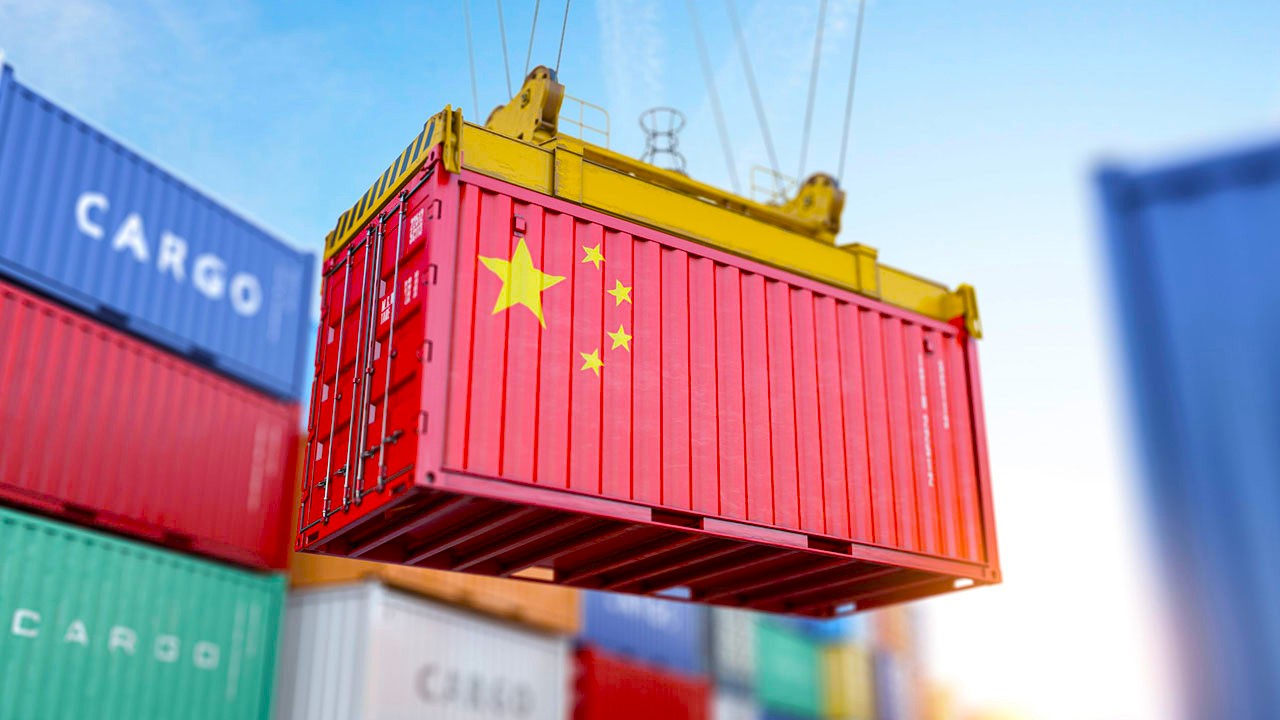
China’s Textile Exports Hold Strong in 2025 While Import Declines Indicating Self-Reliance
As global markets continue to shift, China’s textile and apparel industry is navigating a year of contrasts. While textile yarn and fabric exports show steady resilience, apparel exports are feeling the pressure — pushing the industry toward a much-needed transformation.
Here’s what the latest data tells us, and why it matters for brands, manufacturers, and innovators shaping the future of fashion.
China’s Textile Exports Stabilizes
China’s textile sector continues to demonstrate its production depth and global relevance.
According to customs data, exports of textile yarns, fabrics, and related products reached US$12.27 billion in November 2025 alone. From January to November, cumulative exports totaled US$130.01 billion, marking a 0.9% year-on-year increase compared to 2024.
This steady growth isn’t accidental. It’s supported by:
- A stable upstream raw material supply
- Mature spinning and weaving capabilities
- Continued overseas demand for high-quality textile products
Together, these factors reinforce China’s role as a reliable backbone of the global textile supply chain — even amid economic uncertainty.
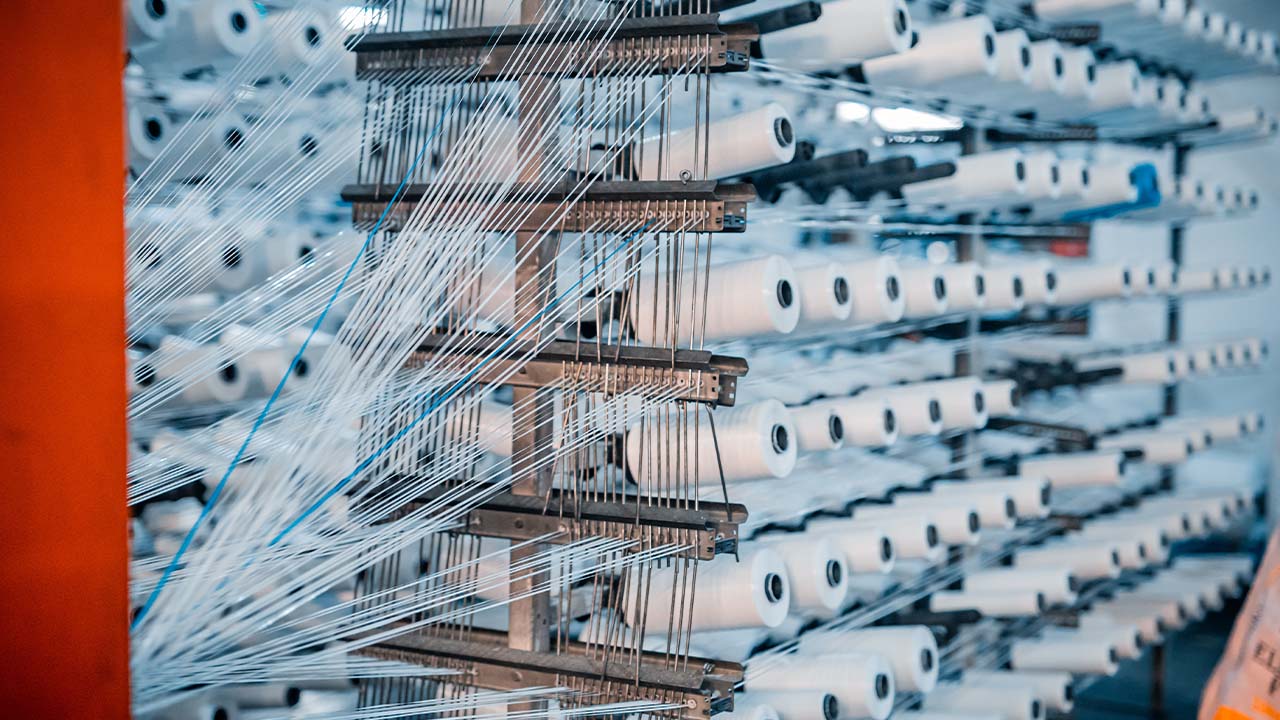
China’s Textile Imports Decline Indicateding Self-Reliance
While exports remain solid, textile imports tell a different story. Between January and November 2025, textile yarn and fabric imports fell to US$8.98 billion, down 8.9% year-on-year. November imports alone stood at US$900 million.
This decline reflects two major trends:
- Shifts in the global raw material supply landscape
- Stronger domestic substitution, as local production increasingly meets demand once fulfilled by imports
Looking ahead, fluctuations in international raw material markets will remain a key variable — but China’s growing self-sufficiency is clearly reshaping sourcing strategies.

China’s Apparel Exports Under Pressure — But Not Without Opportunity
The apparel segment faces a tougher reality. In November 2025, exports of clothing and accessories reached US$11.59 billion. From January to November, total exports fell to US$137.79 billion, a 4.4% decline compared to the same period in 2024.
Behind this slowdown are familiar challenges:
- Volatile global consumer demand
- Intensifying competition in emerging markets
- Changing consumer preferences
- Trade barriers compressing margins
But pressure often sparks progress.

Transformation in China’s Apparel Sector is no Longer Optional
To stay competitive, apparel exporters are actively reinventing themselves. Across the industry, we’re seeing a clear shift toward:
- Design-driven differentiation
- Products infused with fashion, culture, and identity
- Digital marketing and cross-border e-commerce to reach global consumers directly
The integration of manufacturing, branding & design is emerging as a decisive growth strategy. Those who embrace this evolution are better positioned to move beyond price competition and reclaim value.

Road Ahead
Taken together, the numbers reveal an industry at a crossroads. Textile yarn and fabric exports remain steady & resilient; apparel exports are under strain but rich with transformation potential and raw material imports are declining as domestic capabilities strengthen. The message is clear - data-driven strategy, innovation, and digital transformation will define the next phase of growth.
At Threadify, we believe the future of textile and apparel trade belongs to those who combine manufacturing excellence with smart technology, agile supply chains, and strong brand thinking. In a changing global landscape, adaptability isn’t just an advantage — it’s a necessity.