





 Empty Cart


Recent Posts
-
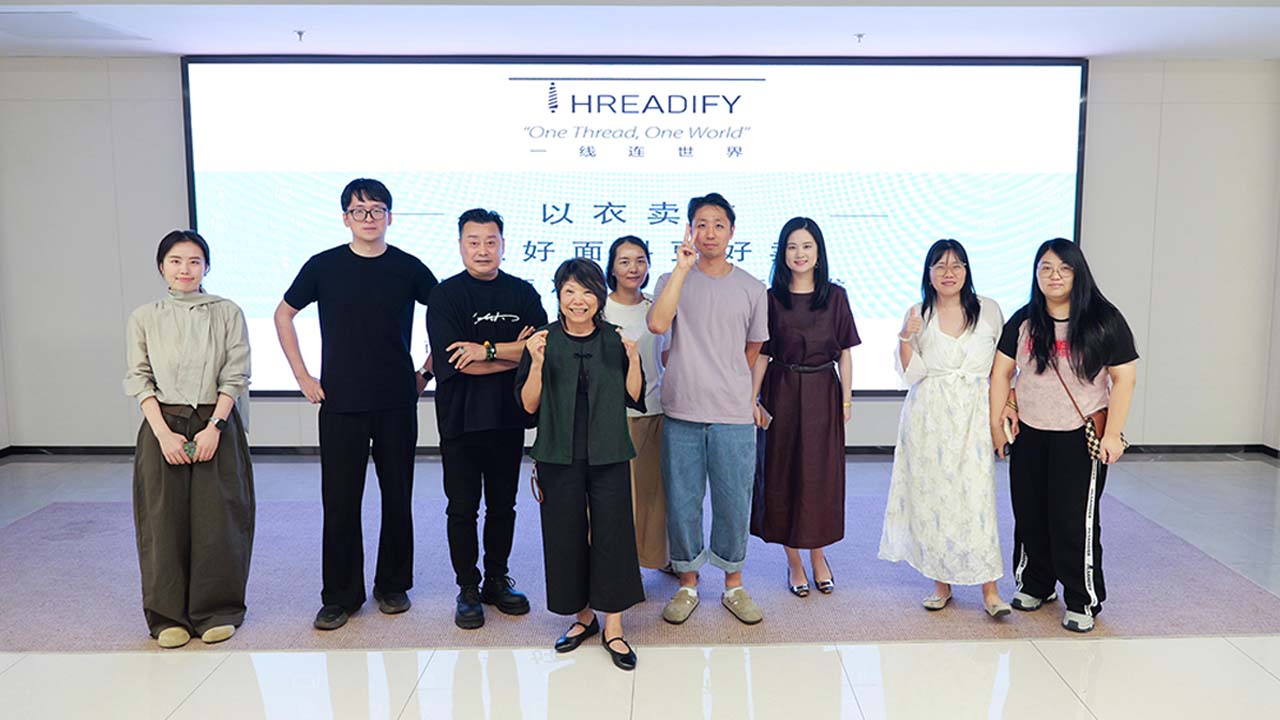 “Sell Fabric Through Garments, Make Good Fabric Sell Better” | Fabric Supplier Event Wraps Up
-
 Threadify Presents "Sell Fabric Through Garments" Free Workshop for Suppliers
-
 Threadify’s "From Design to Market" Apparel Brand Incubation Program Launched in Collaboration with Dongguan
-
 Threadify x Dongguan: A New Apparel Brand Incubator Launches in Hangzhou
-
 China's Textile and Apparel Exports Reach $146 Billion in H1 2026
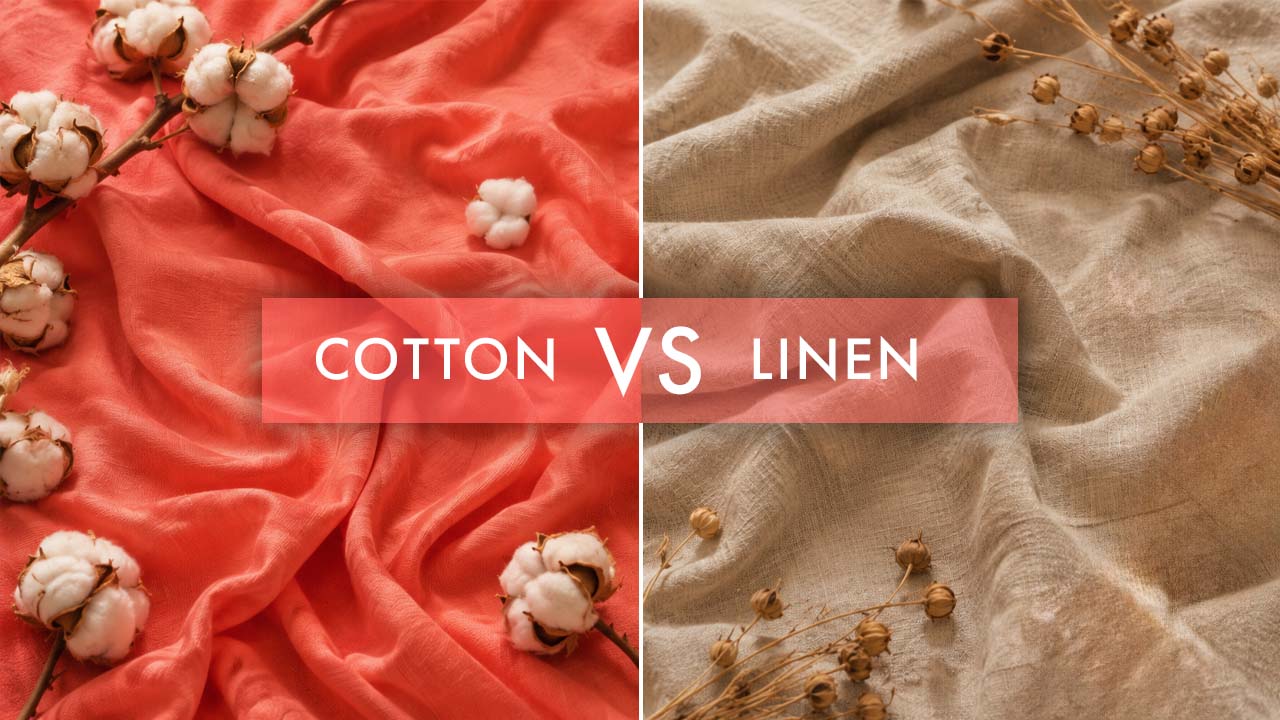
Cotton Fabric Vs. Linen Fabric – Which is better for Summer?
TL;DR
Both cotton and linen are excellent natural fabrics for summer — but they win in different conditions.
- Linen dries faster, breathes better in dry heat, and wicks moisture away from skin more efficiently. Best for: outdoor events, dry climates, formal ethnic wear, and sustainability-focused buyers.
- Cotton is softer, more affordable, easier to care for, and handles humid conditions better by buffering sweat before it shows. Best for: daily commutes, humid coastal cities, children's clothing, and high-volume garment production.
- The real winner? A cotton-linen blend — combining the breathability of linen with the softness and moisture control of cotton. Increasingly popular in both Indian and Bangladeshi RMG export collections.
- For B2B buyers and sourcing teams: Threadify stocks premium cotton fabric directly from verified Indian and Bangladeshi mills — competitive MOQs, GOTS-certified options available.
Cotton Fabric Vs. Linen Fabric: The Great Summer Fabric Debate
Every year, as temperature climbs, the same question arises "Which is better for summer — cotton or linen?"
It's a question that matters enormously in markets like South Asia, Southeast Asia and other tropical regions where summers are not just warm — they're relentlessly hot, often humid, and last for months. The right fabric doesn't just affect how you look. It affects how you feel at 2pm when the heat peaks. For garment manufacturers and B2B buyers, it affects production costs, export compliance, and buyer preferences across EU and US markets.
This guide cuts through the noise. We compare cotton fabric and linen fabric head-to-head across breathability, moisture management, durability, affordability, sustainability, and real-world performance.
What Is Cotton Fabric?
Cotton is a natural fiber harvested from the seed pods of the Gossypium plant. It has been cultivated in the Indian subcontinent for over 5,000 years — from the fine Muslin of Dhaka to Gandhi's hand-spun Khadi. Today, India is one of the world's largest cotton producers, and Bangladesh is the world's second-largest garment exporter, with cotton at the heart of both industries.
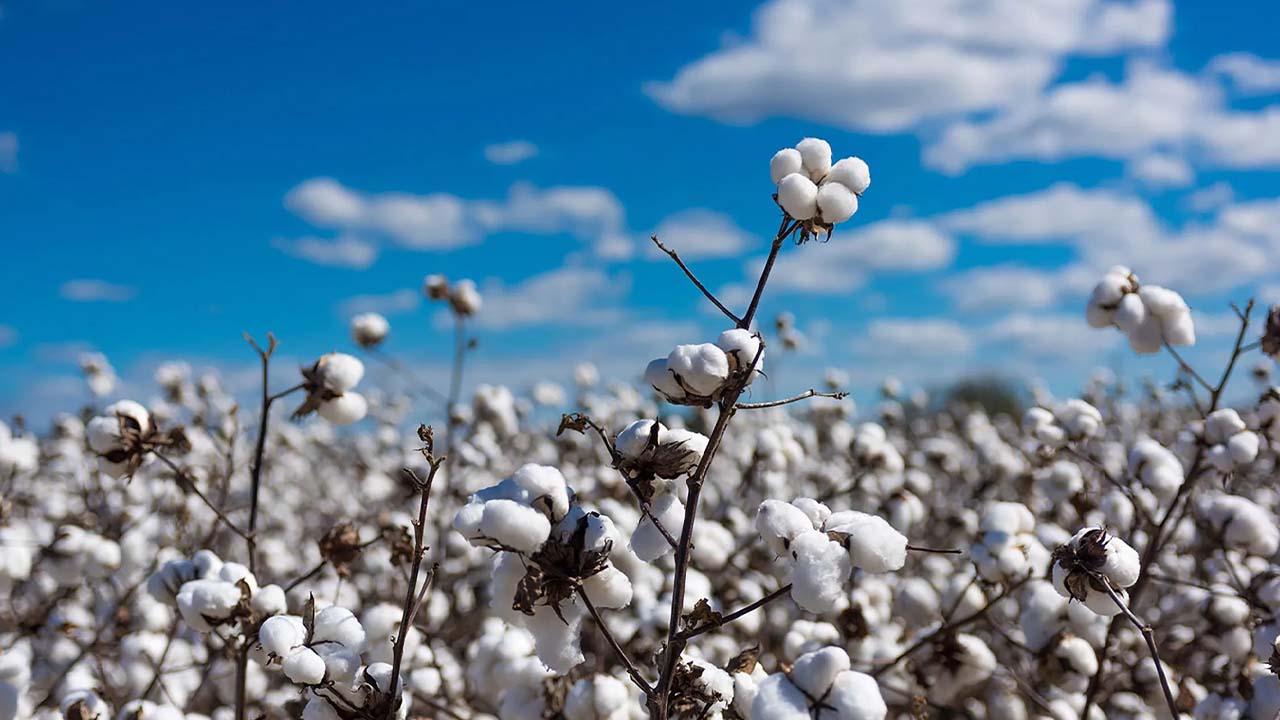
Key properties of cotton fabric
- Soft and gentle on the skin
- Highly absorbent — can hold up to 25% of its weight in moisture
- Breathable and hypoallergenic
- Easy to dye, print, and finish
- Available in a wide range of types: plain, poplin, twill, jersey, voile, denim, muslin, and more
- GSM range: 80 (voile) to 400+ (canvas/denim)
- Affordable and widely available across price points
What Is Linen Fabric?
Linen is made from the fibers of the flax plant (Linum usitatissimum). It is one of the oldest textiles in human history, prized for its natural cooling properties. It has increasingly gained popularity in fashion and home textile market and used in premium export garments.
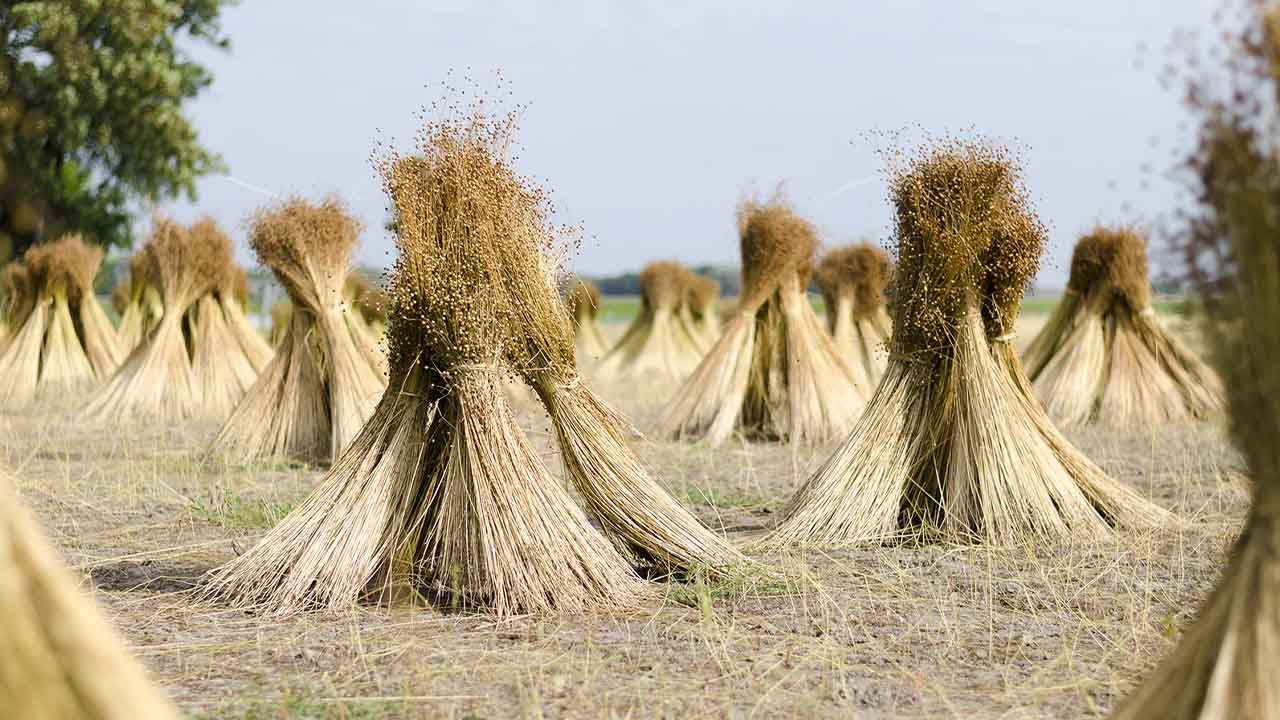
Key properties of linen fabric
- Hollow flax fibers allow significantly more airflow than cotton
- Wicks moisture away from skin faster and dries up to 40% quicker than cotton
- Naturally antimicrobial — resists odor even when damp
- Stronger and more durable than cotton — gets softer with each wash
- Requires fewer pesticides and less water to grow than cotton (more eco-friendly at the crop level)
- Wrinkles easily — a common trade-off for its breathability benefits
- Higher price point than equivalent cotton fabrics
Head-to-Head: Cotton Fabric vs. Linen Fabric for Summer
Breathability
Linen fabric wins — but context matters.
Linen fabric's hollow fiber structure creates natural air gaps, allowing heat to escape faster from the body. Research from the Georgia Institute of Technology confirms that linen fabric has a significantly higher moisture vapor transport rate than cotton, meaning sweat is pulled from the skin and evaporated into the air much more efficiently.
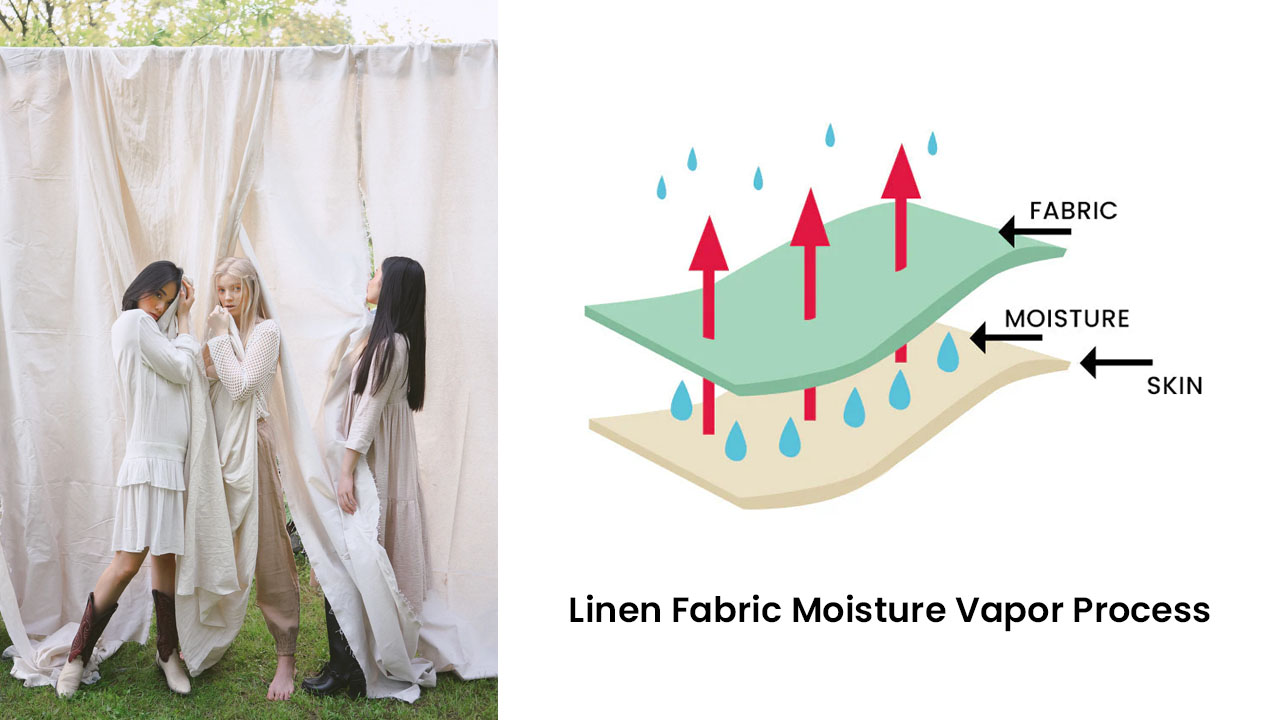
Cotton fabric’s fibers are smoother and pack more densely, which means less airflow — but also means cotton cushions the skin more comfortably.
Verdict for South & Southeast Asia: In dry heat weather linen fabric's breathability advantage is real and noticeable. In the humid coastal cities the gap between linen fabric and cotton fabric narrows significantly, because linen fabric also releases moisture outward faster, making sweat patches more visible sooner.
Moisture Management & Sweat Control
Cotton fabric wins in humid conditions. Linen fabric wins in dry heat.
This is the most nuanced comparison — and the one most relevant to wearers in South Asia.
Cotton fabric can absorb up to 25% of its weight in moisture before it feels damp. It buffers sweat inward, which means visible sweat patches appear later and stay more contained — usually around the underarm and upper back. This matters enormously for professional wear in humid cities.
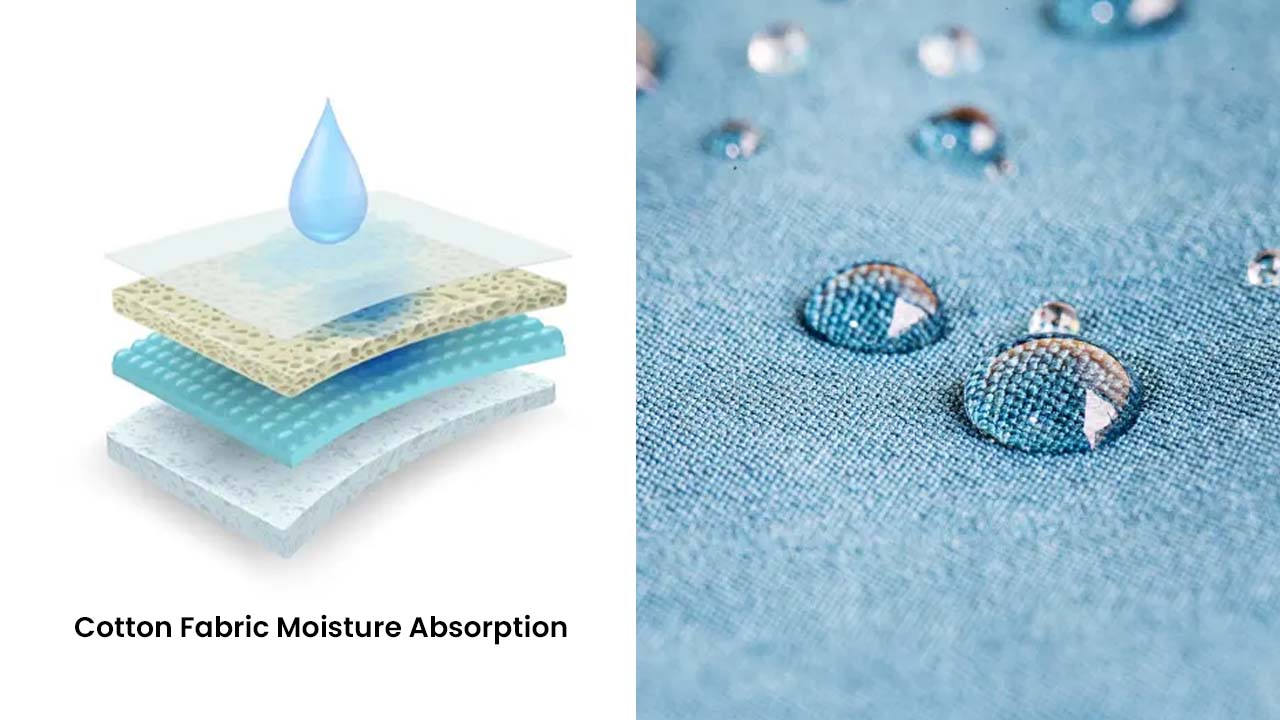
Linen fabric absorbs up to 20% of its weight before feeling damp, and it releases moisture outward through evaporation far faster. In dry heat, this is a major advantage — the fabric cools itself quickly. In humid conditions, however, linen's fast outward release means sweat patches spread wider across the fabric surface and appear earlier — sometimes within 20 minutes of sustained outdoor activity. On pale-colored linen fabric, this spread is visible.
Practical Verdict: For daily commuters cotton fabric is the more forgiving choice. For outdoor events in drier climates — linen fabric delivers.
Softness & Skin Comfort
Cotton fabric wins — especially initially.
Premium combed or ring-spun cotton is one of the softest fabrics available. It is the go-to recommendation for baby clothing, sensitive skin, and anyone who prioritizes immediate tactile comfort. Cotton voile and muslin fabric are exceptionally soft and gentle.
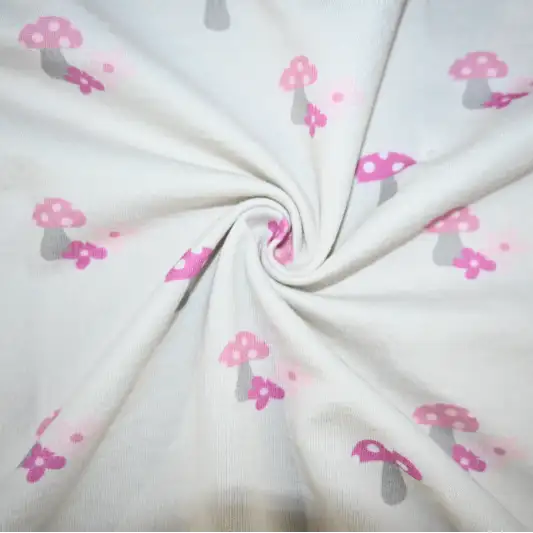
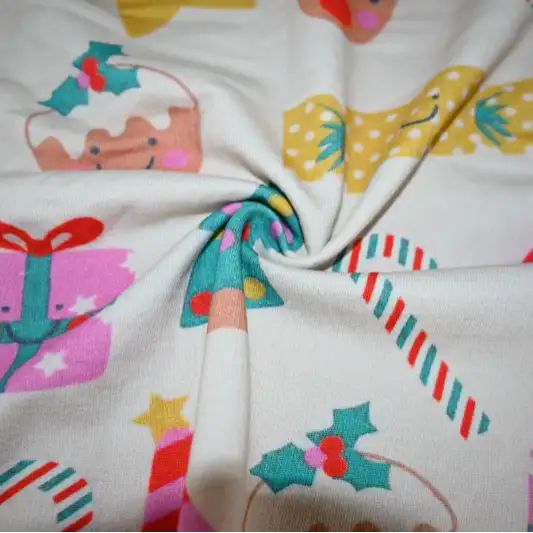
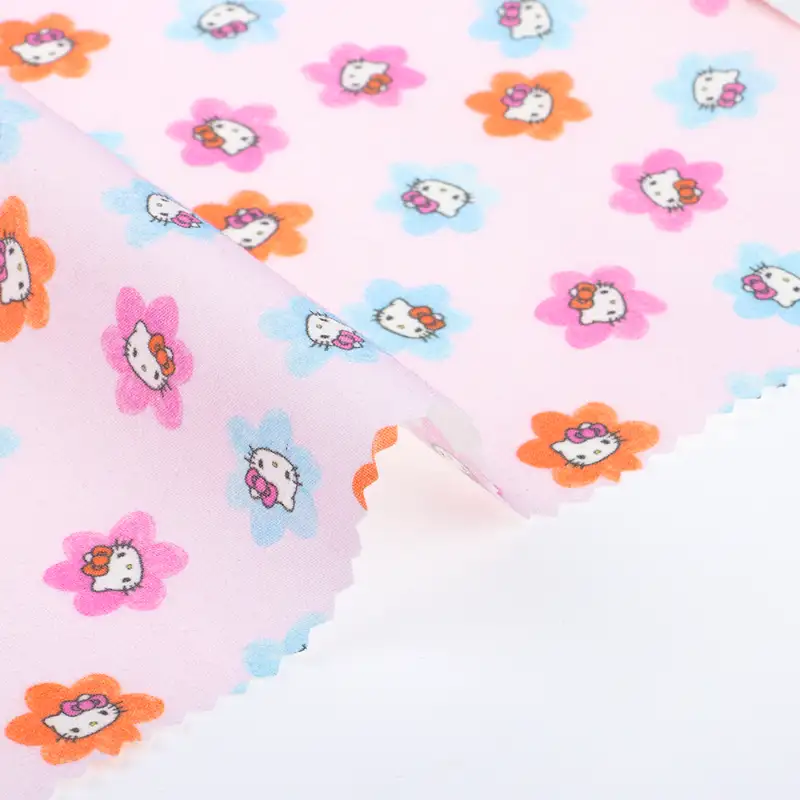
Linen fabric, by contrast, feels stiffer and slightly rougher initially. It does soften beautifully with repeated washing.
Verdict: For B2C markets focused on immediate consumer satisfaction, especially in mass-market retail, cotton wins on first touch. Linen rewards the patient buyer.
Durability & Longevity
Linen fabric wins on raw fiber strength.
Linen fibers are stronger than cotton at the molecular level. Linen garments maintain their shape and structural integrity through more washes without fraying or losing form. Linen fabric also becomes stronger when wet, the opposite of most fabrics.
Cotton fabric is durable but weakens with frequent washing and prolonged exposure to heat. High-quality combed or ring-spun cotton fabric significantly outperforms standard carded cotton in longevity.
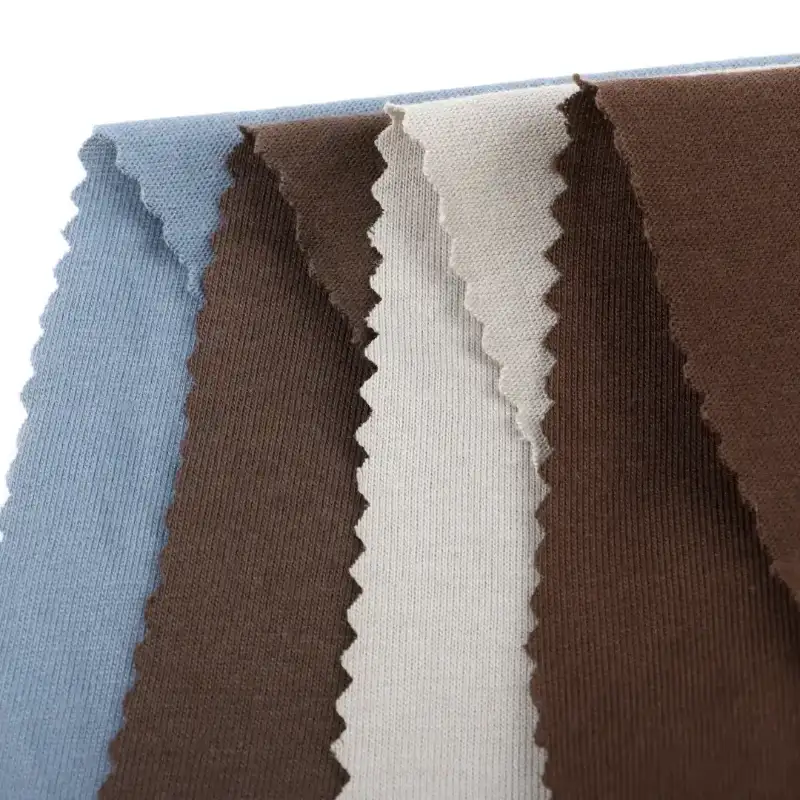

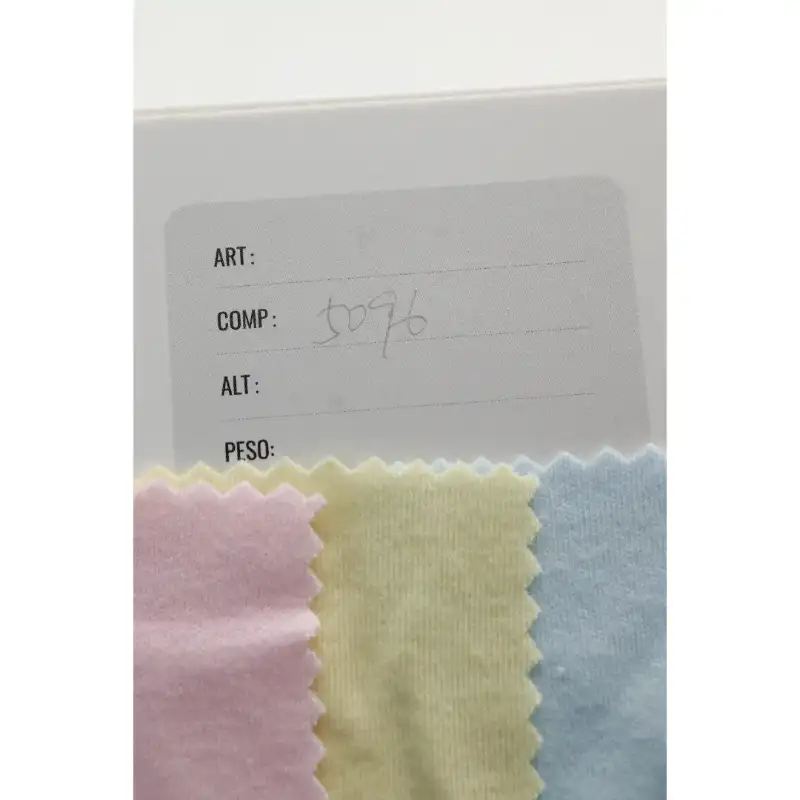
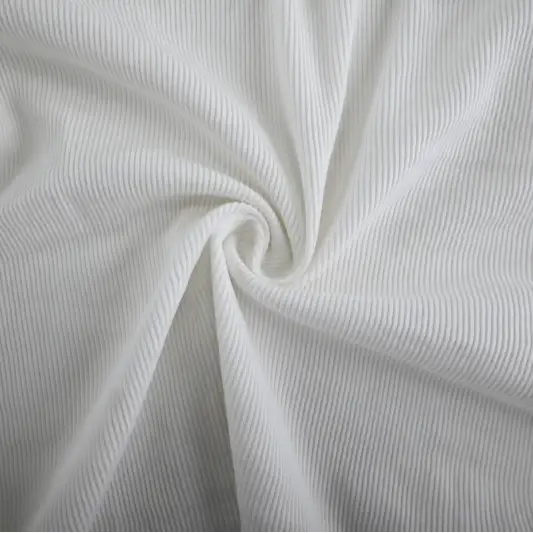
Verdict for manufacturers: Higher upfront cost of linen fabric translates to longer product life. For export buyers targeting premium lifestyle brands in the EU or US, this is a compelling value story.
Wrinkle Resistance
Cotton fabric wins — clearly.
This is linen fabric's most widely known trade-off. Linen wrinkles easily because its flax fibers have low elasticity. A linen shirt that looks pristine in morning will look lived-in by noon — which some wearers embrace as part of linen's relaxed aesthetic, and others find unacceptable in professional settings.

Cotton fabric holds its shape significantly better through a workday. Higher thread-count cotton fabric resists wrinkling most effectively. Cotton poplin and twill fabric are especially wrinkle-resistant.
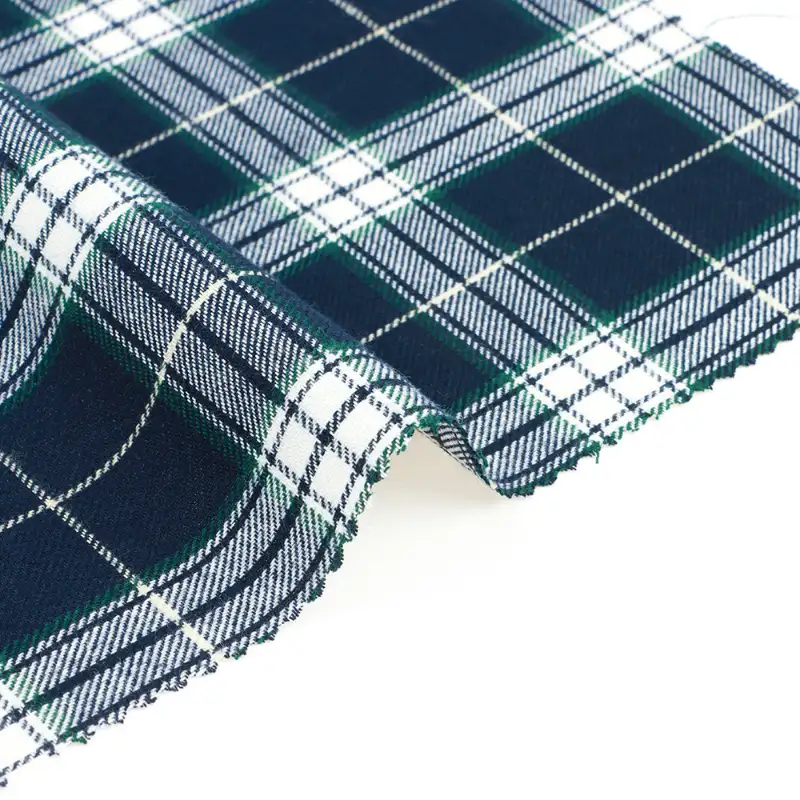

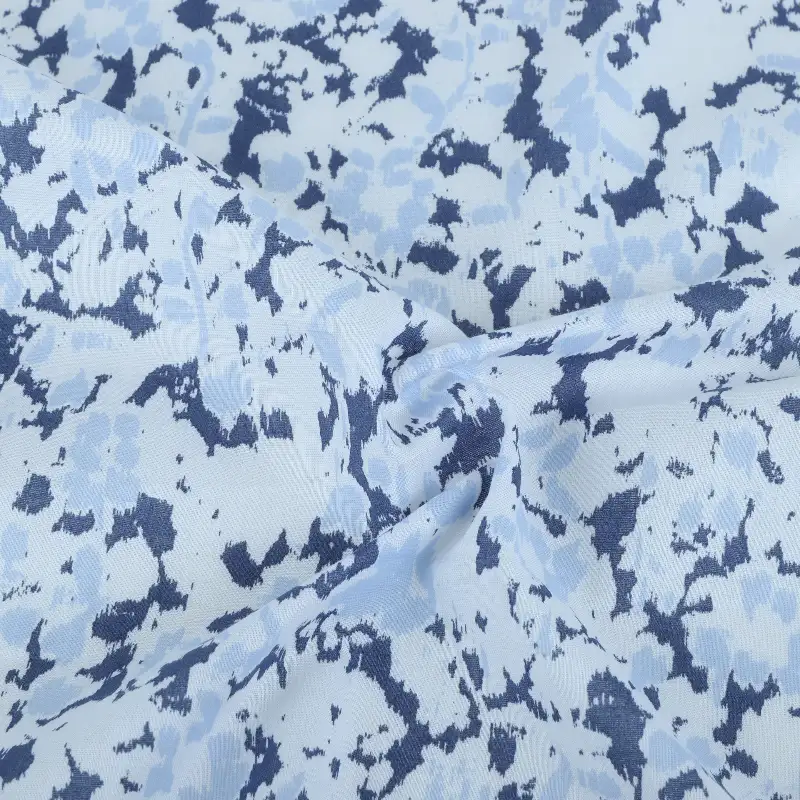
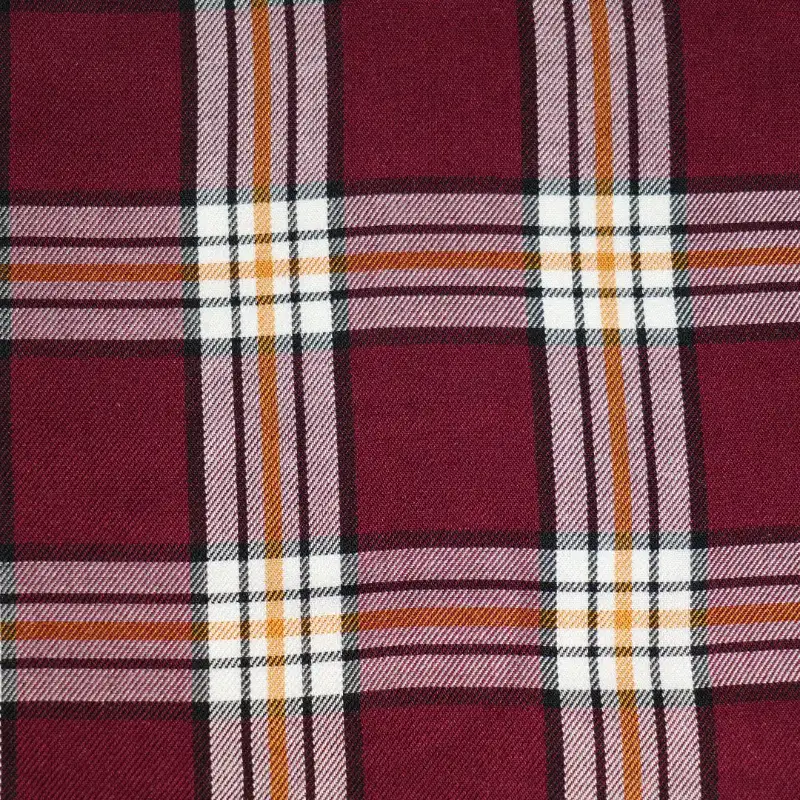
Verdict: For formal workwear, uniforms, and structured garments, cotton fabric is the clear choice. For casual summer wear, resort fashion, and ethnic wear, linen fabric's wrinkles read as natural and stylish.
Price & Accessibility
Cotton fabric wins — substantially.
Cotton is significantly more affordable than linen at every level of the supply chain — fiber, yarn, fabric, and finished garment.
Verdict for mass-market garment production: Cotton fabric dominates in volume-driven, price-sensitive segments in South Asian market. Linen fabric belongs in the premium and export-oriented tier.
Sustainability
Linen wins at the farming stage. Cotton wins in accessibility of certified options.
Flax (the source of linen) requires significantly less water and fewer pesticides than conventional cotton to grow. It is an inherently lower-impact crop.
However, conventional cotton has a robust and rapidly growing ecosystem of sustainable certifications — GOTS (Globs Organic Textile Standard), BCI (Better Cotton Initiative), OCS (Organic Content Standard), and OEKO-TEX Standard 100 — that are now widely adopted across mills, and are required by major EU and US fast-fashion brands (H&M, Zara, M&S, Primark).
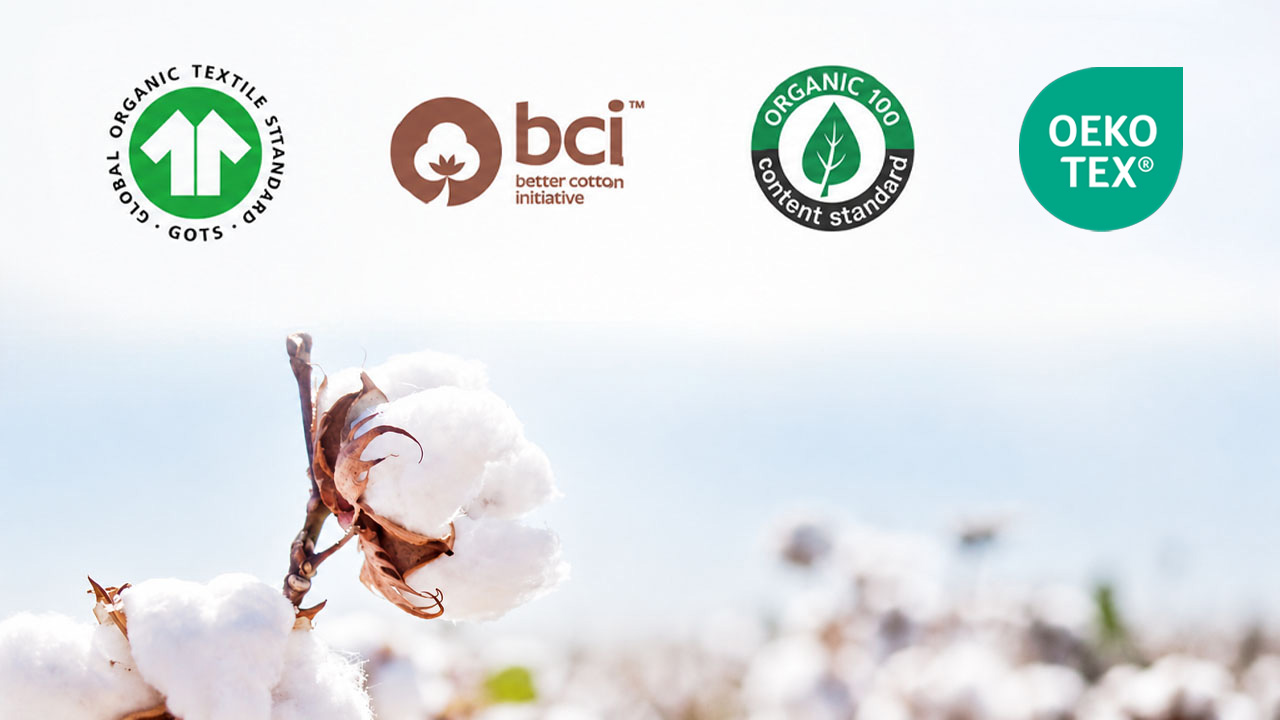
Verdict: For B2B buyers with sustainability mandates, both fabrics can meet requirements, but certified organic or BCI cotton fabric is far more available and affordable in South Asian supply chains than certified sustainable linen.
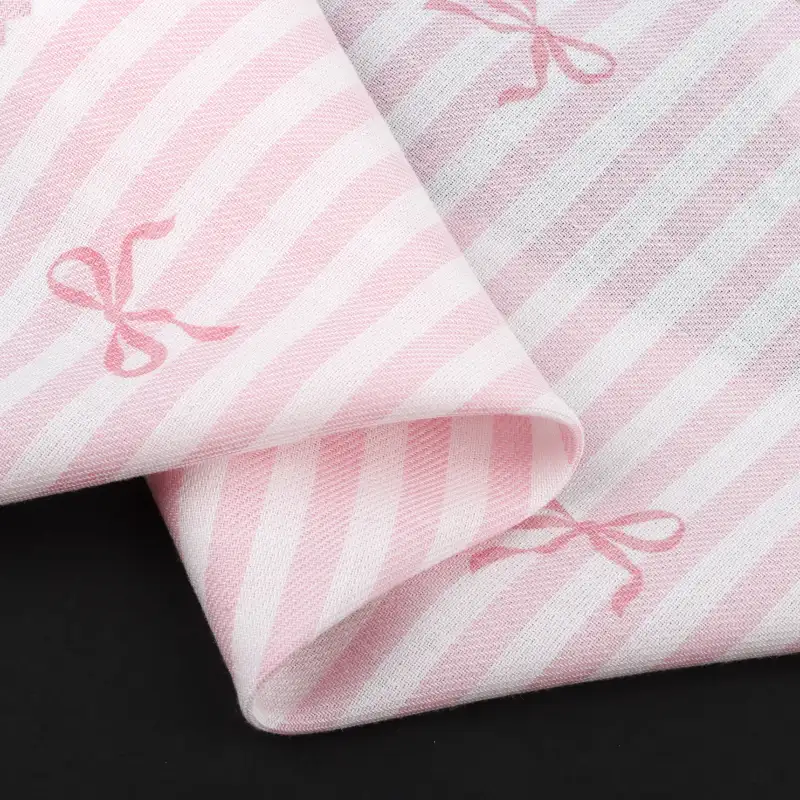
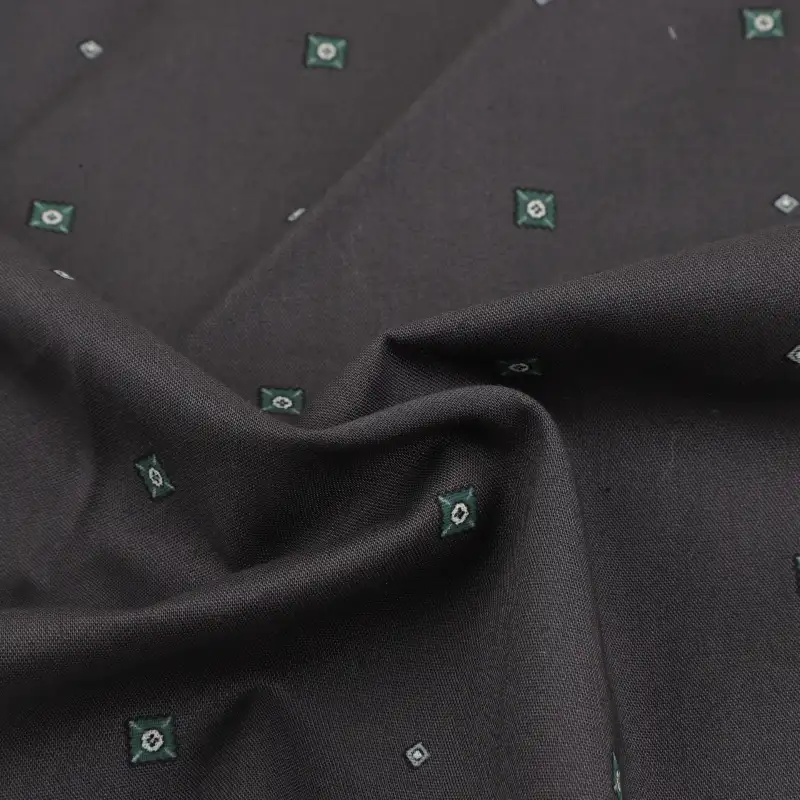
Cotton Fabric Vs. Linen Fabric: Quick Comparison Table
|
Factor |
Cotton |
Linen |
|
Breathability |
Good |
Excellent |
|
Moisture absorption |
Higher (25% of weight) |
Good (20% of weight) |
|
Drying speed |
Slower |
40% faster than cotton |
|
Sweat visibility (humid) |
Better concealed |
Spreads wider |
|
Softness |
Excellent (immediately) |
Improves with washing |
|
Durability |
Good |
Excellent |
|
Wrinkle resistance |
Better |
Lower |
|
Price (wholesale) |
Cheaper |
Relatively expensive |
|
Eco-footprint |
Higher (conventional) |
Lower (farming stage) |
|
Certified options |
Abundant (GOTS, BCI) |
Limited in South Asia |
|
Best for |
Humid cities, daily wear, volume |
Dry heat, premium, resort |
Cotton Fabric Vs. Linen Fabric: Who Should Choose What?
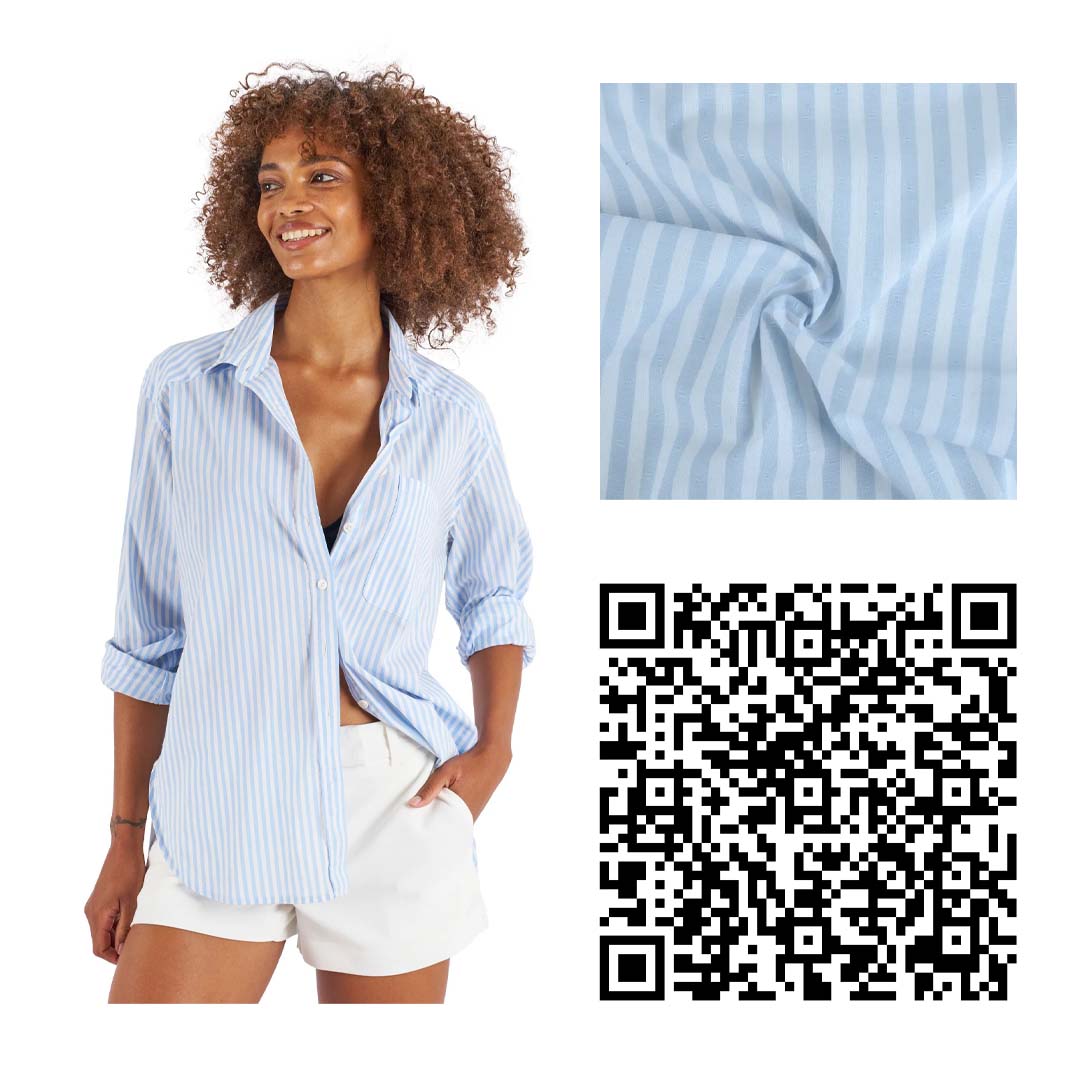
Choose cotton fabric if you
- Are producing or buying for humid climates
- Need volume at competitive prices
- Want soft, immediately comfortable garments
- Are targeting mass-market retail or workwear segments
- Need printable, dyeable fabric with wide design flexibility
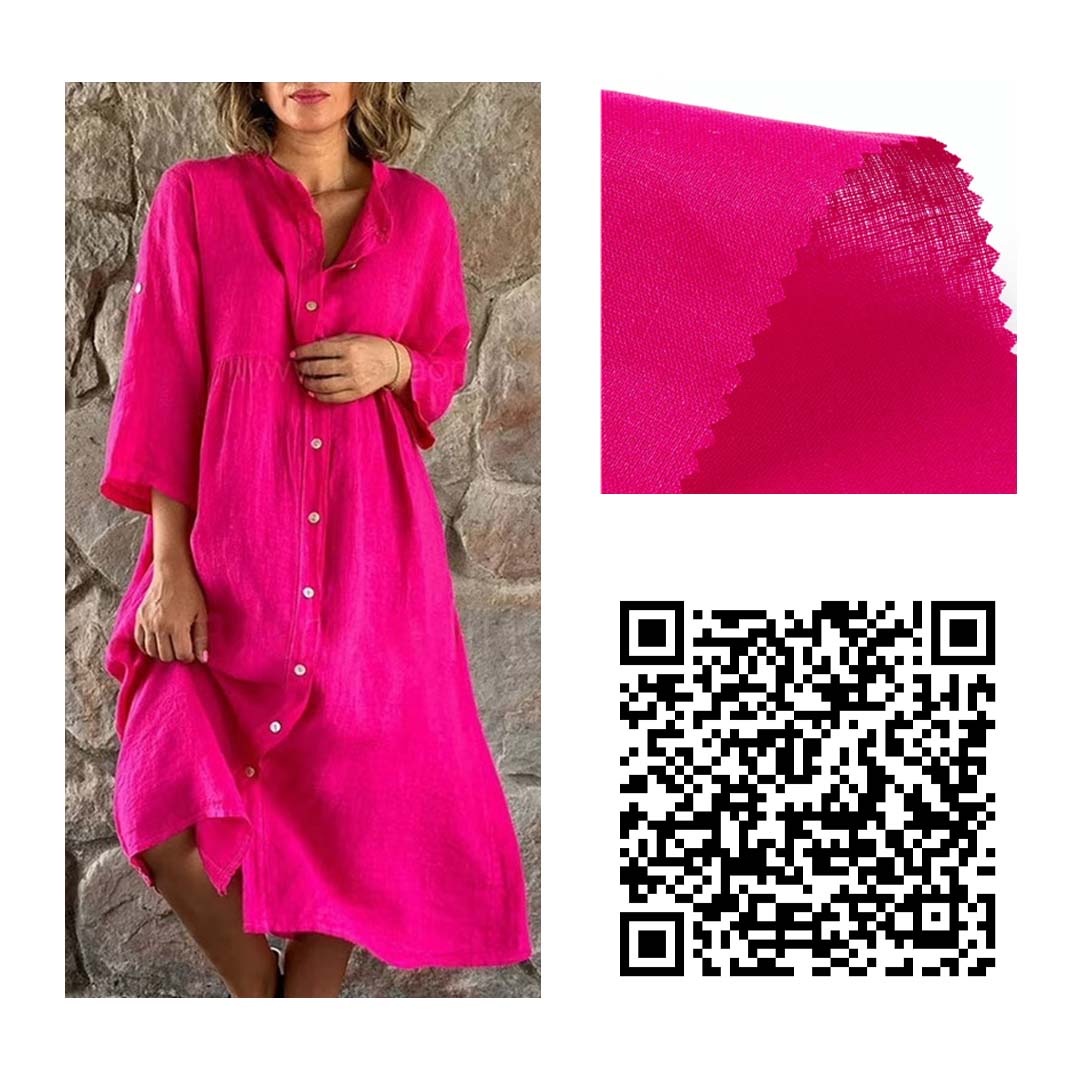
Choose linen fabric if you
- Are targeting premium summer fashion, resort wear, or destination wedding collections
- Serve buyers in EU/US markets looking for natural, sustainable alternatives
- Want a fabric that improves in comfort over time
- Are working in dry-heat regions
Choose cotton-linen blend if you
- Want the best of both worlds — softness + breathability + wrinkle resistance
- Are producing multi-purpose summer garments for professional and casual settings
- Want a compelling product for export to buyers who understand fabric science
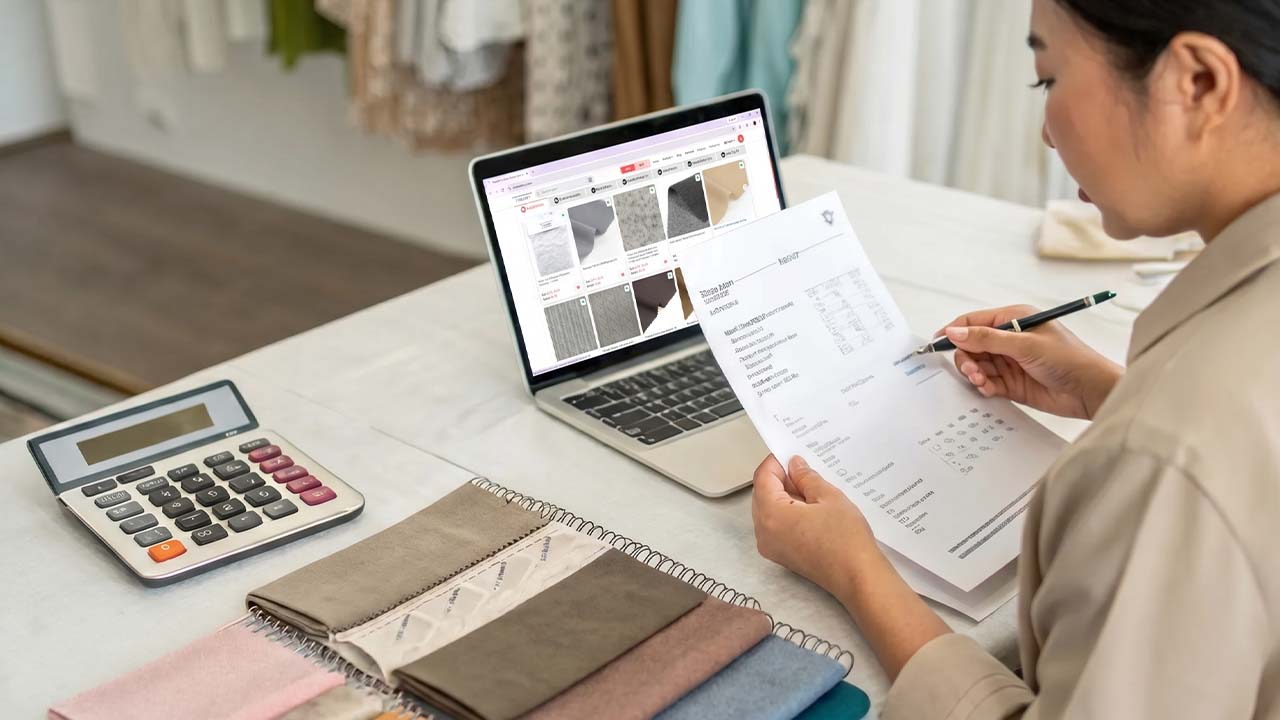
Source Your Summer Fabrics with Threadify
Threadify connects garment manufacturers, brands, and retailers with premium cotton and linen fabric from verified suppliers across China, Bangladesh and India. Our catalogue includes:
- 100% cotton (plain, poplin, twill, jersey, voile, canvas, denim)
- Organic / GOTS-certified cotton
- BCI cotton for EU/US export compliance
- Cotton-linen blends in a range of GSMs and widths
- Custom dyeing and printing available
OEKO-TEX, GOTS, and BCI certified options available. Samples dispatched within 48 hours.

Author Shams Jarin
Digital Marketer
Shams Jarin is a seasoned professional with over seven years of experience in marketing. Passionate about digital transformation and a deep understanding of client needs, she combines industry expertise with cutting-edge solutions. When not developing strategy, Shams Jareen enjoys sharing insights through writing to help others navigate the ever-changing world of apparel sourcing and manufacturing.