






 Empty Cart


Recent Posts
-
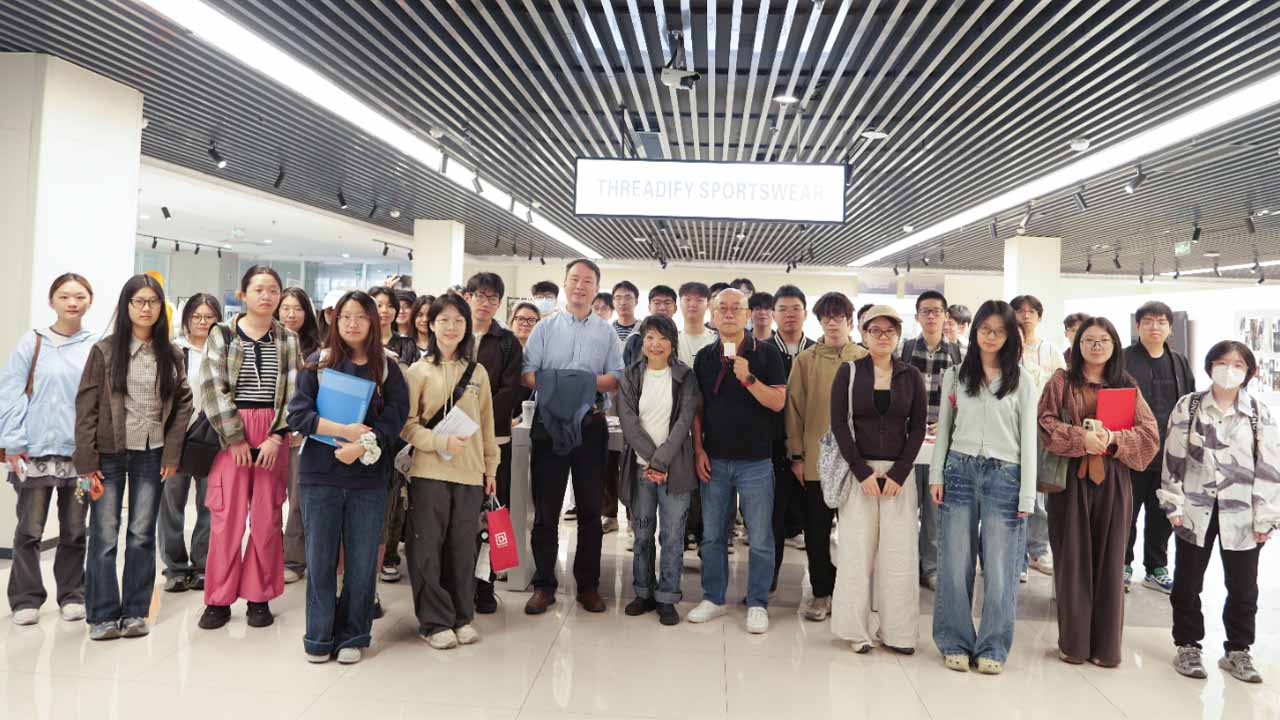 School-Enterprise Collaboration | Industrial Design Students and Faculty from Zhijiang College Visit Threadify
-
 School-Enterprise Collaboration | Students and Faculty from Zhijiang College Visit Threadify
-
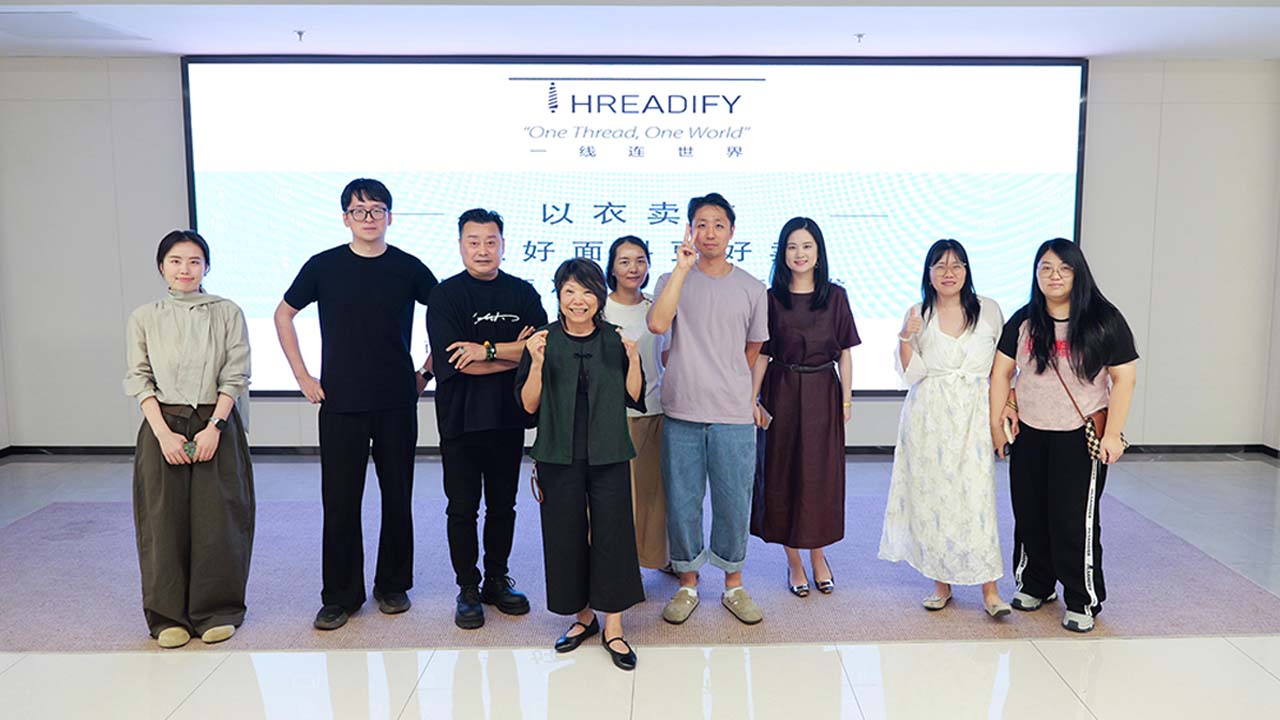 “Sell Fabric Through Garments, Make Good Fabric Sell Better” | Fabric Supplier Event Wraps Up
-
 Threadify Presents "Sell Fabric Through Garments" Free Workshop for Suppliers
-
 Threadify’s "From Design to Market" Apparel Brand Incubation Program Launched in Collaboration with Dongguan
The Trillion-Dollar Market of Bio-Based Materials: Exploring the Potential of PLA Fiber
As the global economy accelerates toward sustainability and carbon neutrality, bio-based materials are emerging as one of the most promising frontiers in modern manufacturing. Built from renewable biomass resources such as plants, animals, and microorganisms, these materials offer a powerful alternative to traditional petroleum-based products.
Compared with fossil-based materials, bio-based solutions significantly reduce carbon emissions, minimize reliance on finite resources, and support greener production processes. As industries and consumers increasingly prioritize environmental responsibility, bio-based materials are becoming a critical pathway toward achieving global climate targets.

Governments and institutions around the world are already pushing this transformation. The European Union’s “Industrial Biotechnology 2025 Vision” aims to replace 6–12% of chemical raw materials with bio-based feedstocks and produce 30–60% of fine chemicals using bio-based methods. Meanwhile, the U.S. Biomass Technology Roadmap projects that by 2030, bio-based chemicals could replace 25% of organic chemicals and 20% of petroleum fuels.
Within this broader shift, bio-based textile materials are gaining particular attention. Beyond sustainability, these materials create new technological barriers and product differentiation opportunities, allowing brands and manufacturers to increase product value while aligning with environmental goals.

The Rapid Growth of the PLA Market
One of the most promising bio-based materials today is PLA (Polylactic Acid). The global PLA market is experiencing strong growth driven by rising demand for biodegradable plastics, especially in packaging and consumer products.
Valued between $1.28 billion and $2.33 billion in 2024–2025, the market is projected to exceed $11 billion by 2035, growing at a CAGR of approximately 11–17%. Increasing environmental regulations and the global shift away from petroleum-based plastics continue to accelerate this expansion.

What is PLA Fiber?
The origins of PLA date back to 1932, when Wallace Carothers, a scientist at DuPont, first attempted to polymerize lactic acid. Early results were not commercially viable due to high costs and low molecular weight.
Interest resurfaced decades later when Cargill explored new production methods in 1987. In 2001, Cargill partnered with Dow Chemical Company to form NatureWorks, enabling the commercial production of PLA and bringing the material into mainstream applications.
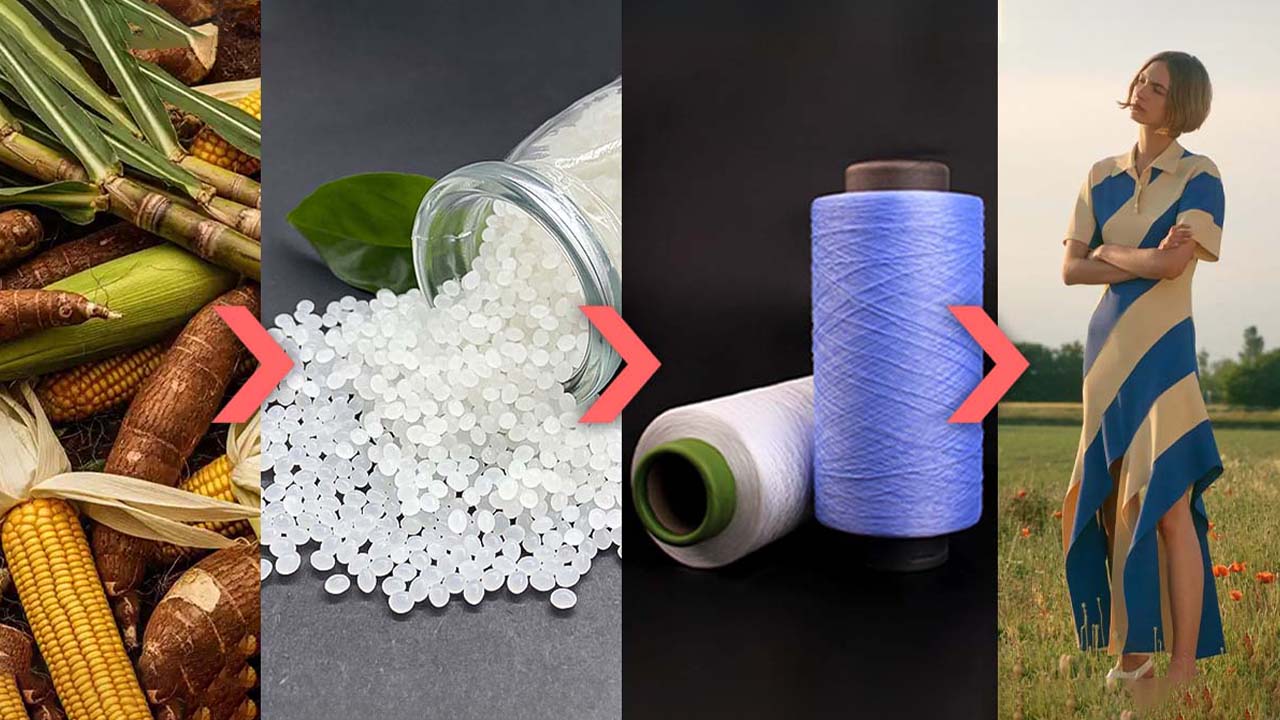
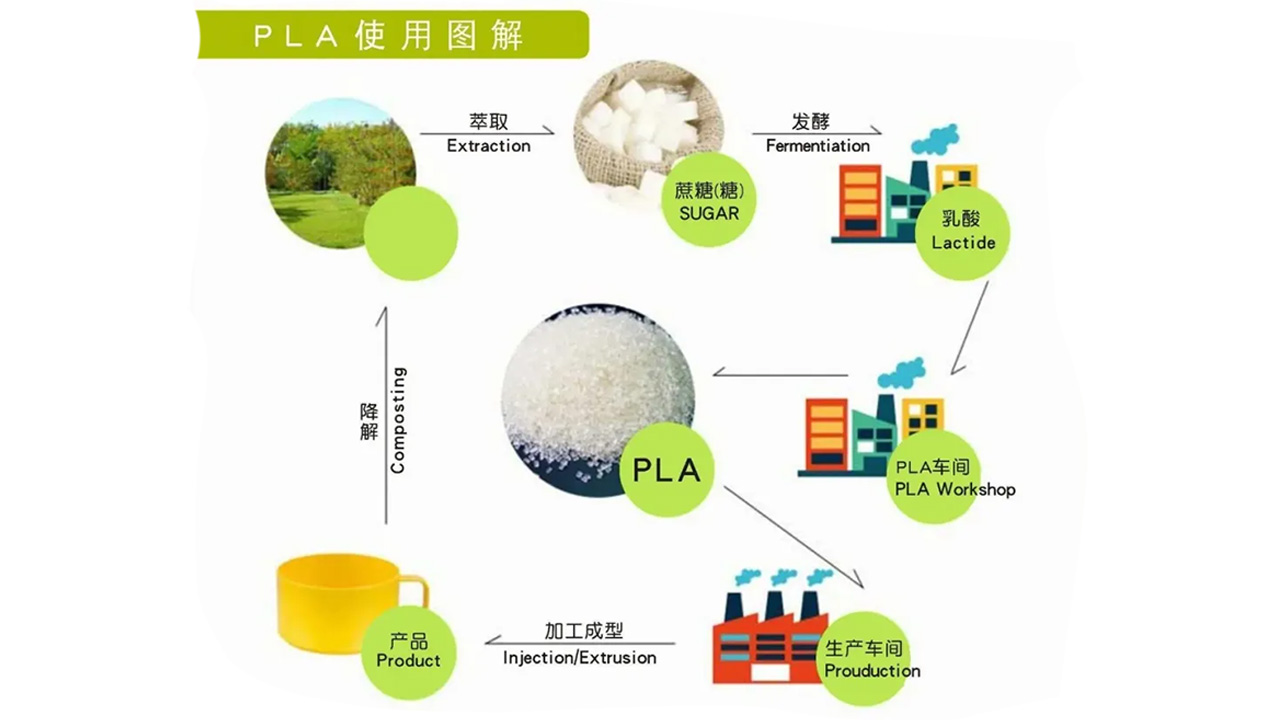
PLA fiber is a bio-based synthetic fiber derived from renewable agricultural resources such as corn, wheat, and sugar beets. These crops are fermented to produce lactic acid, which is then polymerized and melt-spun into fiber.
The result is a fully biodegradable, environmentally friendly textile material with excellent potential across multiple industries.
How PLA Fiber Degrades?
PLA’s environmental advantage lies in its natural degradation process.
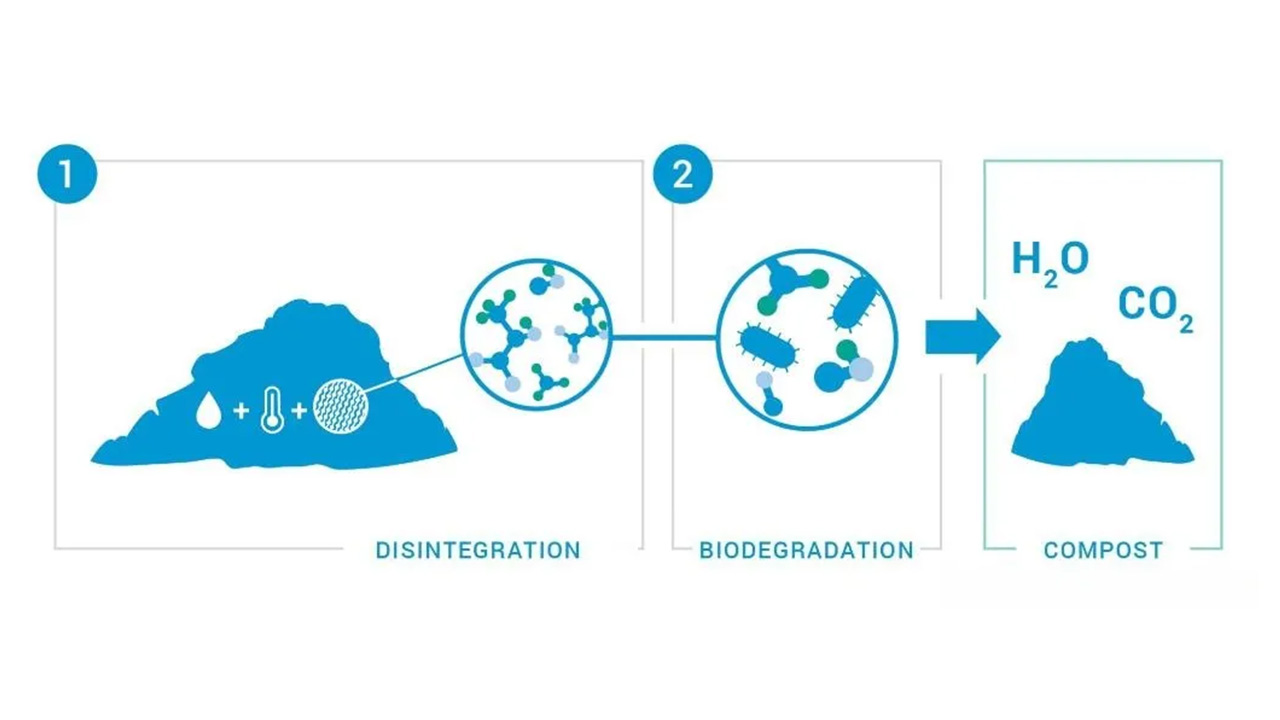
The breakdown typically occurs in two stages:
Hydrolysis – Water, temperature, and suitable pH conditions break the polymer’s ester bonds, reducing large molecules into smaller fragments.
Biological decomposition – Microorganisms release enzymes that further break down these fragments.
Under aerobic conditions, PLA eventually converts into carbon dioxide and water. In anaerobic environments, the process produces methane, carbon dioxide, and water, completing the natural degradation cycle.
Applications of PLA Fiber
Thanks to its biodegradability and versatility, PLA has a wide range of industrial applications:

Packaging: Food containers, disposable tableware, and biodegradable packaging solutions
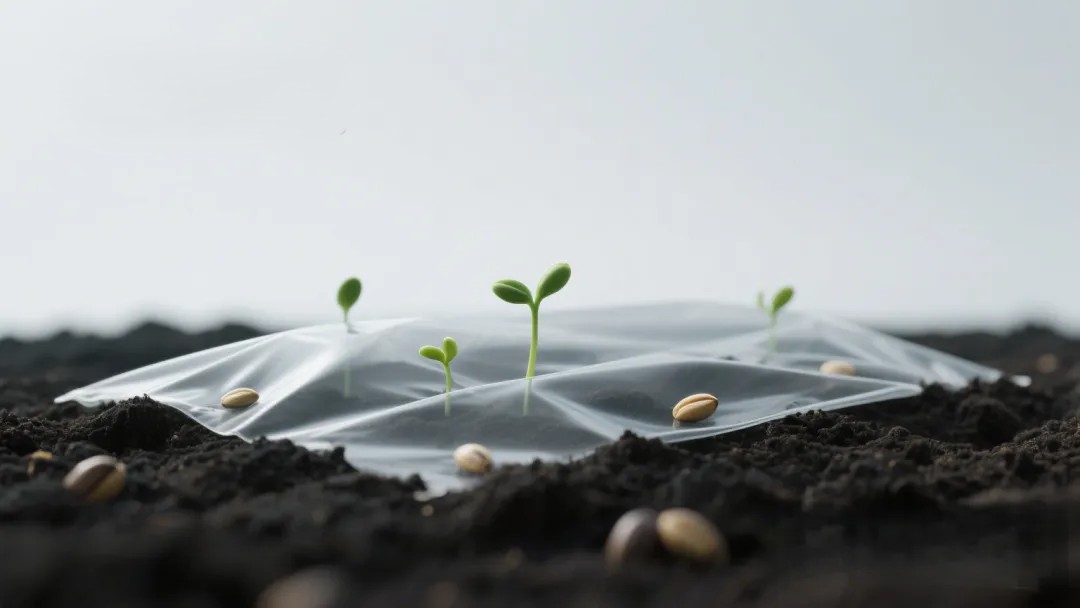
Agriculture: Mulch films that break down without polluting soil

Medical: Absorbable surgical sutures and biomedical materials

Textiles: Apparel and home textiles that are breathable and skin-friendly

3D Printing: One of the most commonly used biodegradable printing materials

Automotive & Electronics: Lightweight interior and exterior components
Sustainable PLA Innovation on Threadify
Shaoxing Maibao Technology Co., Ltd. is a high-tech enterprise specializing in the research, production, and commercialization of environmentally friendly PLA textiles, and is a key supplier on the Threadify platform.
By combining patented fiber technologies with environmentally responsible dyeing and finishing processes, the company is reinventing traditional textile manufacturing to meet modern sustainability standards. Their facilities have the capacity to produce nearly 33,000 tons of polylactic acid annually, supporting the growing demand for bio-based textile materials.



Discover Sustainable Fabric Innovations on Threadify
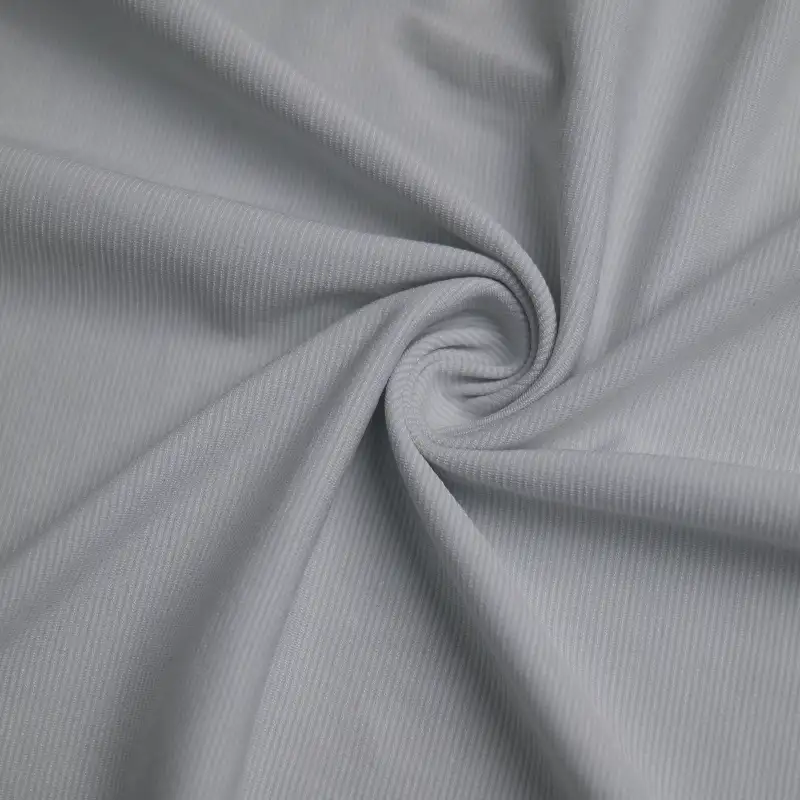
As the fashion and textile industries move toward greener production models, PLA fiber represents a powerful intersection of sustainability, performance, and scalability. At Threadify, we connect brands and manufacturers with innovative suppliers and advanced materials that help accelerate sustainable product development.