





 Empty Cart


Recent Posts
-
 School-Enterprise Collaboration | Industrial Design Students and Faculty from Zhijiang College Visit Threadify
-
 School-Enterprise Collaboration | Students and Faculty from Zhijiang College Visit Threadify
-
 “Sell Fabric Through Garments, Make Good Fabric Sell Better” | Fabric Supplier Event Wraps Up
-
 Threadify Presents "Sell Fabric Through Garments" Free Workshop for Suppliers
-
 Threadify’s "From Design to Market" Apparel Brand Incubation Program Launched in Collaboration with Dongguan
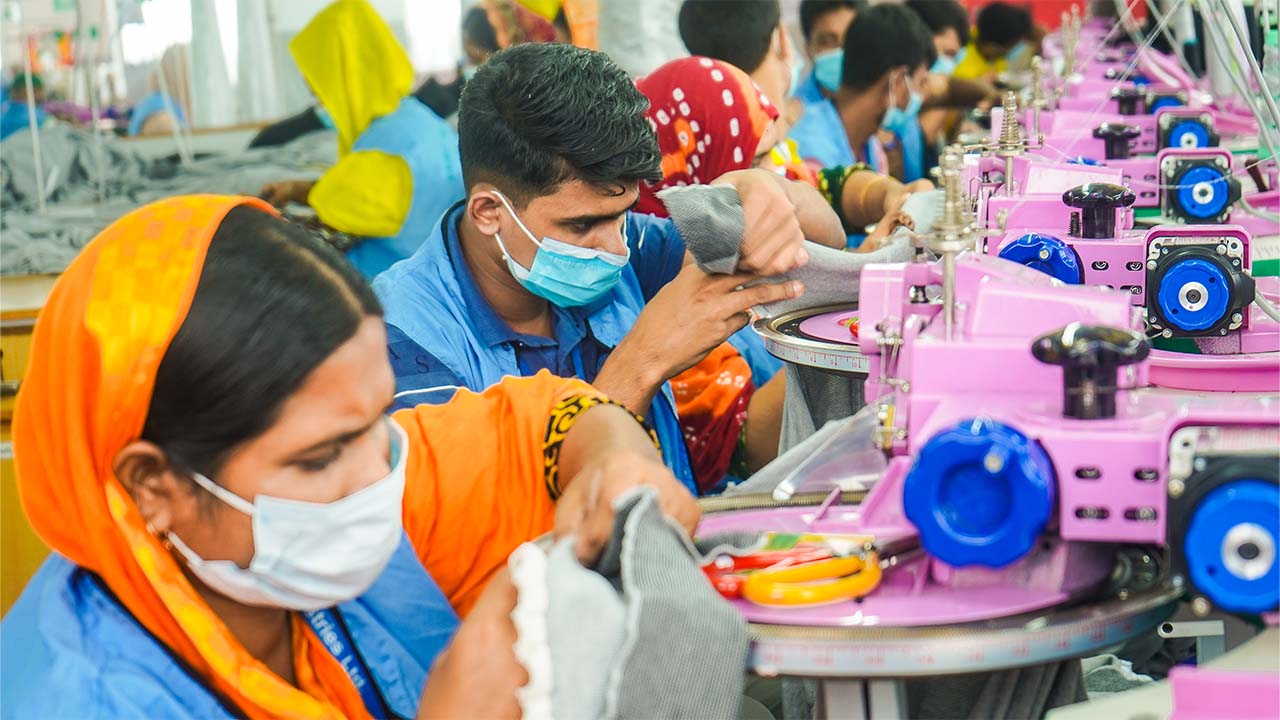
Bangladesh Rises to 2nd-largest apparel exporter to US
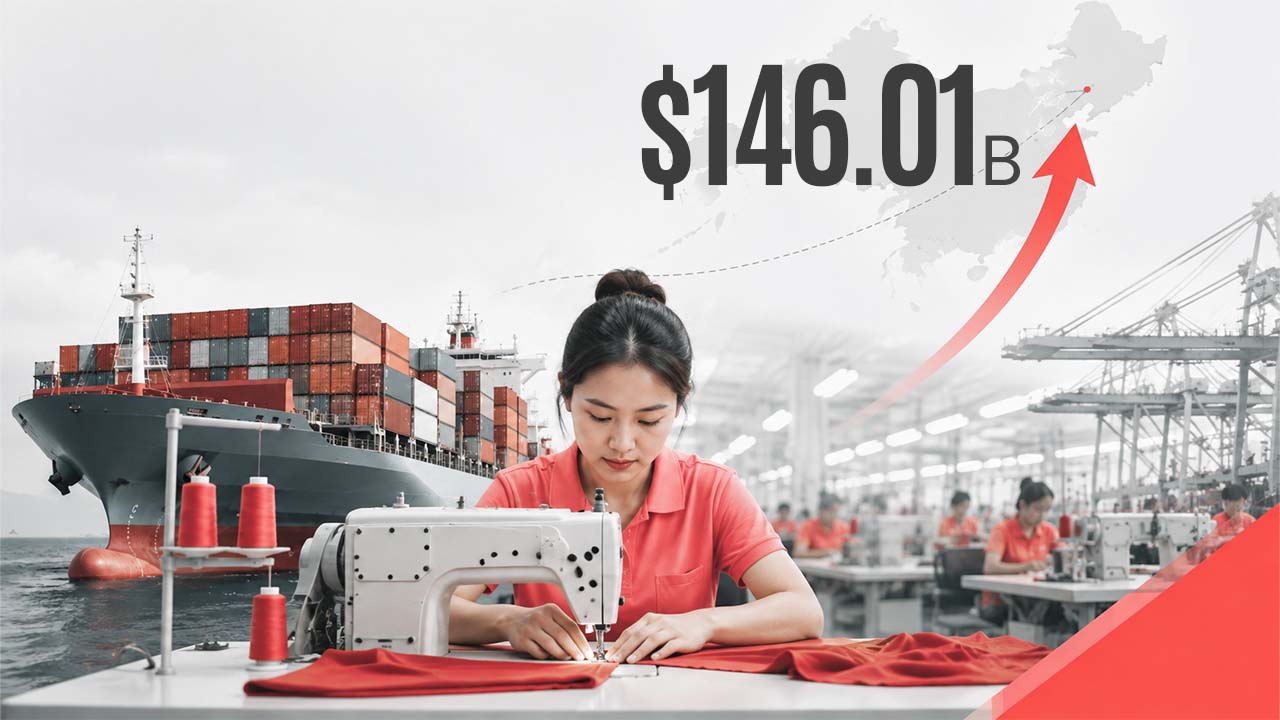
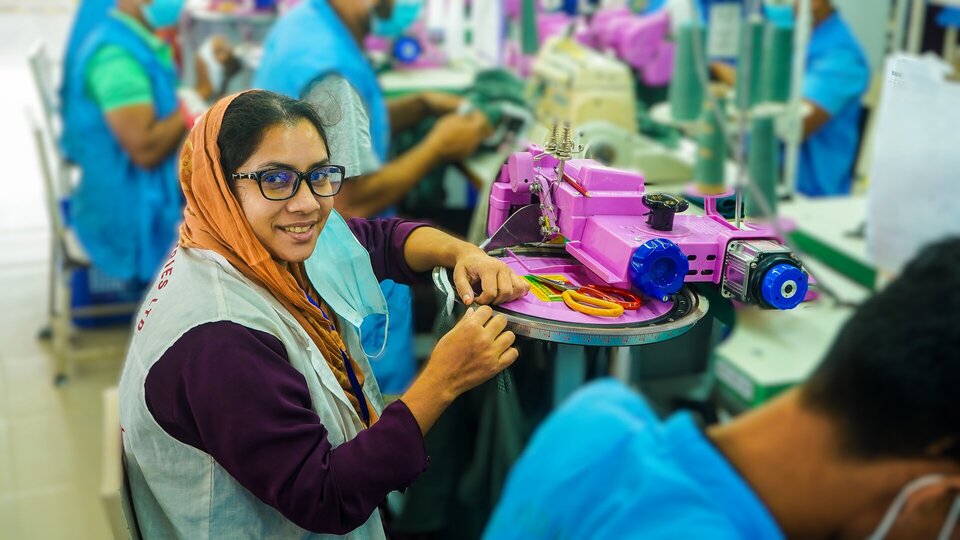
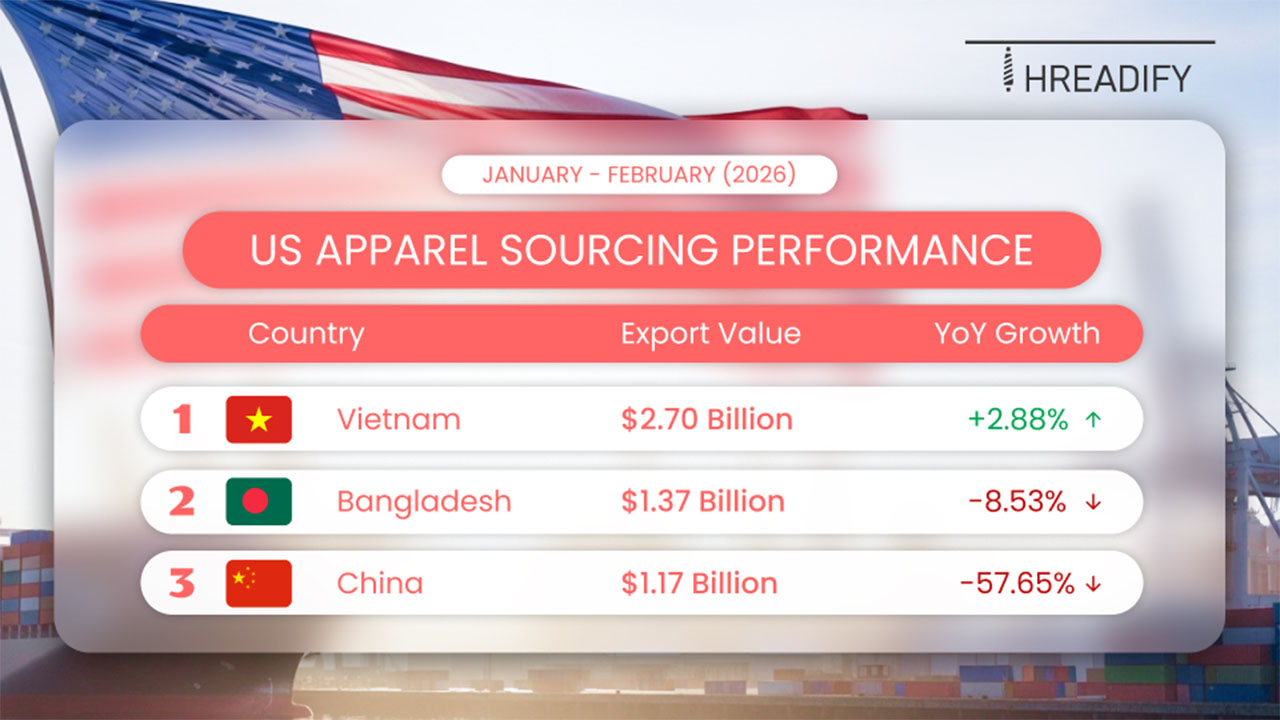
The global apparel trade is undergoing a notable transformation in early 2026. Recent data from the Office of Textiles and Apparel (OTEXA) reveals a major shift in export rankings to the United States. For decades, China dominated garment exports to the US. However, in the January–February 2026 period, Bangladesh has overtaken China to become the second-largest apparel exporter to the United States.
- Vietnam leads the market, with $2.7 billion in exports (+~2.9% YoY)
- Bangladesh follows in second place with $1.37 billion (-~8.5% YoY)
- China drops to third, exporting $1.17 billion (-57.65% YoY)
This shift marks a significant milestone for Bangladesh’s RMG (Ready-Made Garments) sector, reinforcing its position as a key global sourcing hub.
What’s Driving the Change?
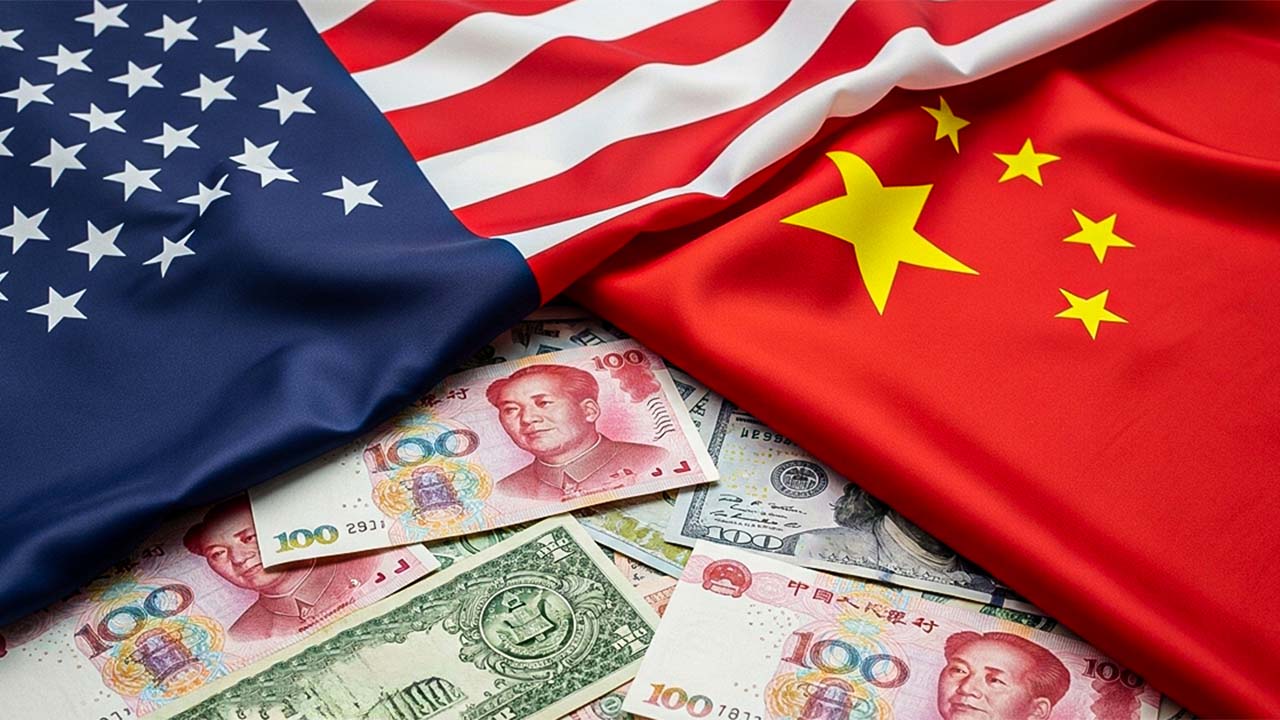
The most significant factor behind this shift is the impact of US reciprocal tariffs on Chinese exports. These tariffs have sharply reduced China’s competitiveness in the American market, contributing to a dramatic decline in its export volume.
At the same time, countries like Vietnam and Bangladesh have capitalized on shifting sourcing strategies by global buyers seeking cost efficiency, diversification, and reduced geopolitical risk.
A Mixed Signal for Bangladesh
While climbing to second place is a major achievement, Bangladesh’s export figures tell a more nuanced story. The country experienced an 8.5% year-on-year decline in exports to the US during this period.
This indicates that while Bangladesh is gaining relative market share due to China’s decline, it still faces challenges such as global demand slowdown, pricing pressures and supply chain and operational constraints.
Declining US Apparel Imports
The broader market context is equally important. Total US apparel imports fell to approximately $11.5–$11.7 billion, marking a 13.5% year-on-year decline.
This suggests that the shift in rankings is not purely driven by growth, but also by a contraction in global demand—making competition even more intense among exporting countries.

What This Means for the Future
Bangladesh’s rise to #2 strengthens its position as a leading sourcing destination. However, with global demand under pressure, maintaining this position will depend on:
- Improving efficiency and cost competitiveness
- Strengthening supply chain resilience
- Adapting to shifting buyer demands
For the industry, this is less about short-term rankings and more about long-term adaptability in a changing global market.
At Threadify, we see this as a clear signal: the future of apparel sourcing will favor agile, data-driven, and connected supply chains.

Author Shams Jarin
Digital Marketer
Shams Jarin is a seasoned professional with over seven years of experience in marketing. Passionate about digital transformation and a deep understanding of client needs, she combines industry expertise with cutting-edge solutions. When not developing strategy, Shams Jareen enjoys sharing insights through writing to help others navigate the ever-changing world of apparel sourcing and manufacturing.