





 Empty Cart


Recent Posts
-
 School-Enterprise Collaboration | Students and Faculty from Zhijiang College Visit Threadify
-
 “Sell Fabric Through Garments, Make Good Fabric Sell Better” | Fabric Supplier Event Wraps Up
-
 Threadify Presents "Sell Fabric Through Garments" Free Workshop for Suppliers
-
 Threadify’s "From Design to Market" Apparel Brand Incubation Program Launched in Collaboration with Dongguan
-
 Threadify x Dongguan: A New Apparel Brand Incubator Launches in Hangzhou

Ammonium Sulfate as a Textile Dyeing Agent & Auxiliary Chemical
Ammonium sulfate rarely gets mentioned outside fertilizer reports, but inside the dye house it's one of the more dependable textile auxiliary chemicals that mills rely on. As a textile dyeing chemical, this simple inorganic salt plays a direct role in color consistency, fiber quality, and even fire safety performance. Here's where it fits into the textile value chain and why it still matters at scale.
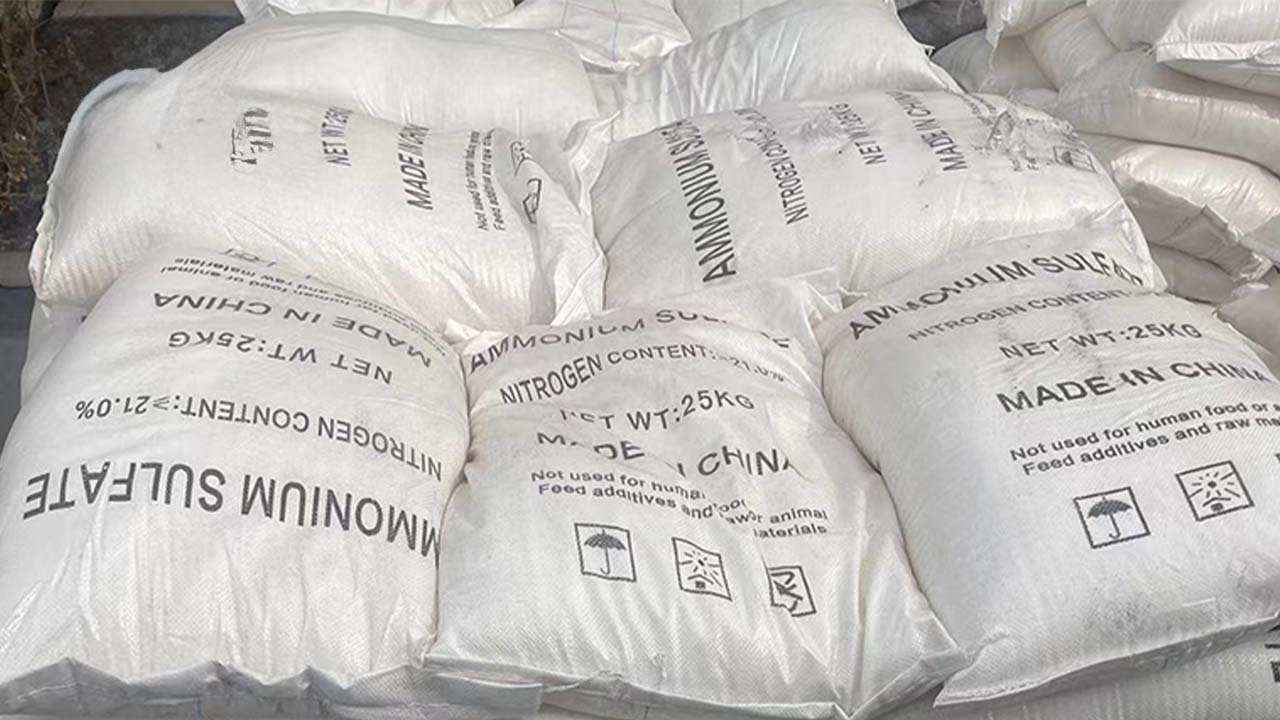
Ammonium Sulfate as a Dyeing Agent and Reactive Dye Fixing Agent
In dye baths, ammonium sulfate works as a leveling and fixation aid. It helps reactive and acid dyes bond more evenly across the fiber surface, which translates into fewer patchy lots, better shade repeatability, and stronger color fastness. This makes it especially valuable for protein fibers like wool and silk, along with nylon and other polyamide fibers where uneven dye uptake is a common quality complaint.
For nylon production specifically, ammonium sulfate also helps regulate the pH of the spinning or polymerization solution. That control supports more consistent fiber quality batch to batch, which matters a great deal when buyers are running tight tolerances on colorfastness and hand feel.
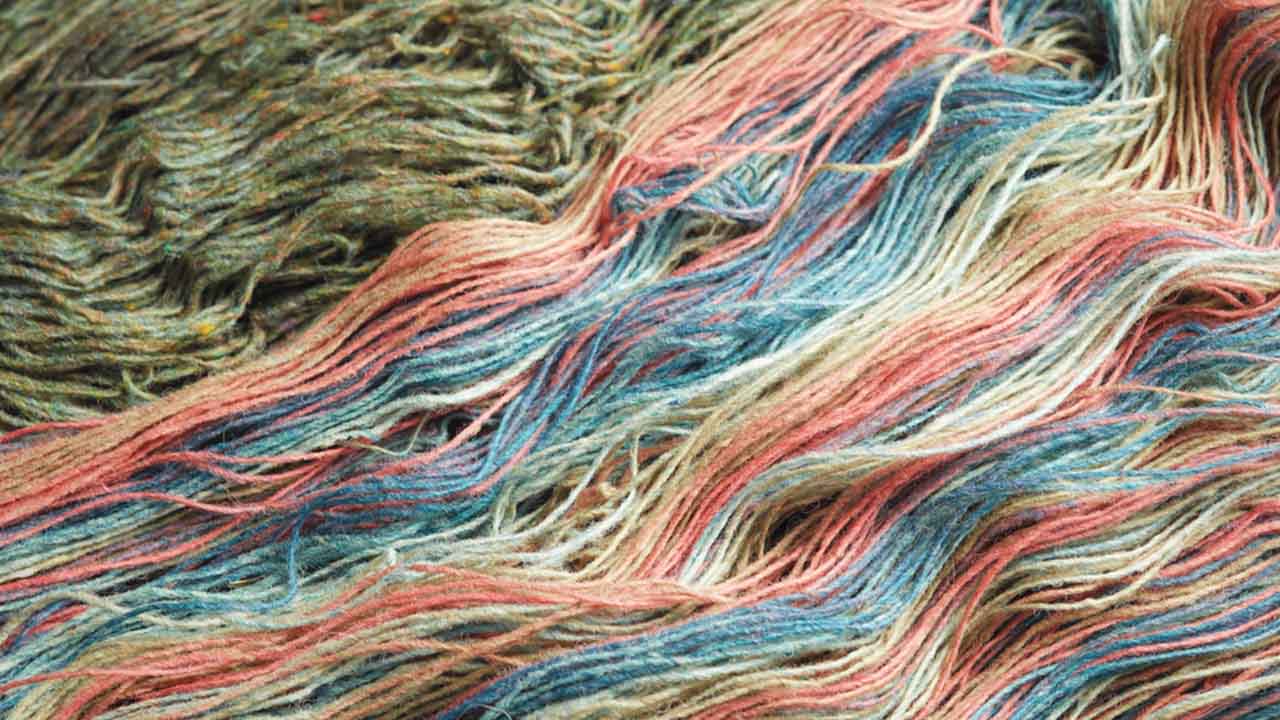
Ammonium Sulfate as a Wool Dyeing Leveling Agent
On wool and silk specifically, ammonium sulfate is often used as a wool dyeing leveling agent. It releases acid gradually as the dye bath heats up, which promotes smoother, more even color rather than the blotchy or mottled results that can come from faster-acting acids.
The Bast Fiber Degumming Process
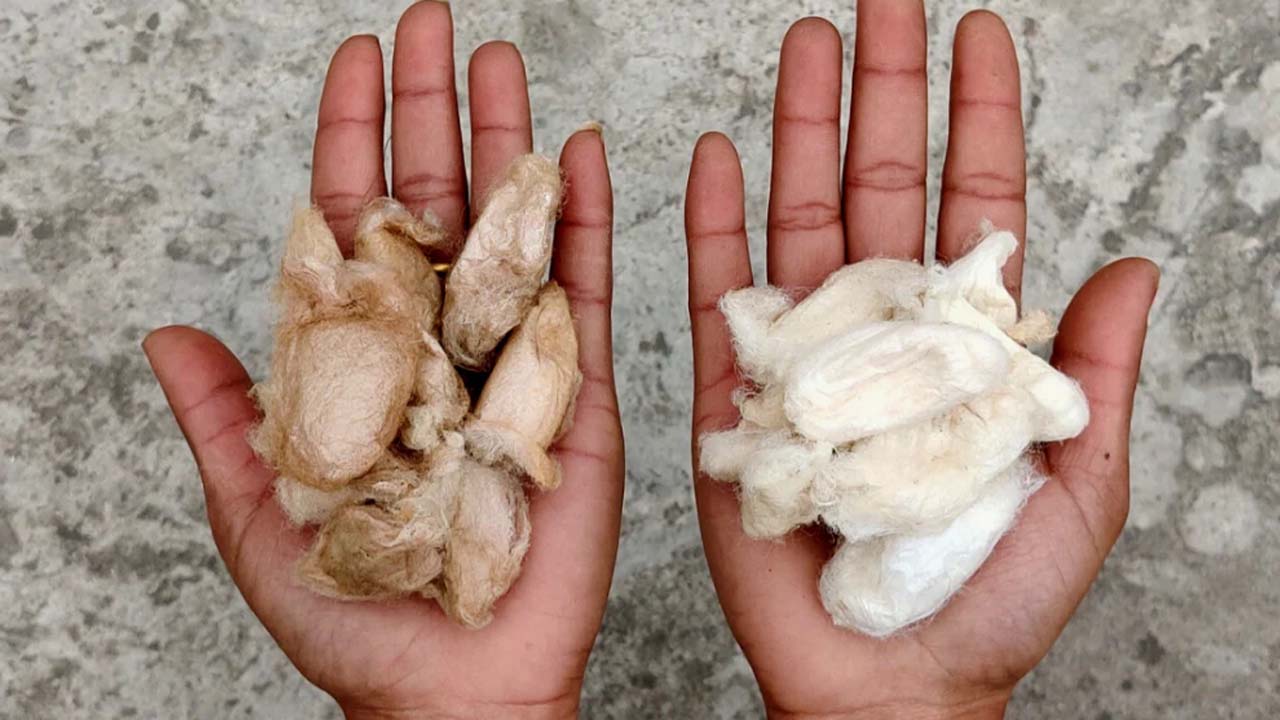
Kenaf, flax, and other bast fibers go through a degumming process before they're spinning-ready. Ammonium sulfate supports this bast fiber degumming process as a fermentation aid, helping break down pectin and other impurities. Cleaner fiber at this stage means smoother spinning downstream and less waste further along the line, both of which matter to mills trying to hold cost and quality targets at once.
A Contributor to Flame Retardant Textile Finishing
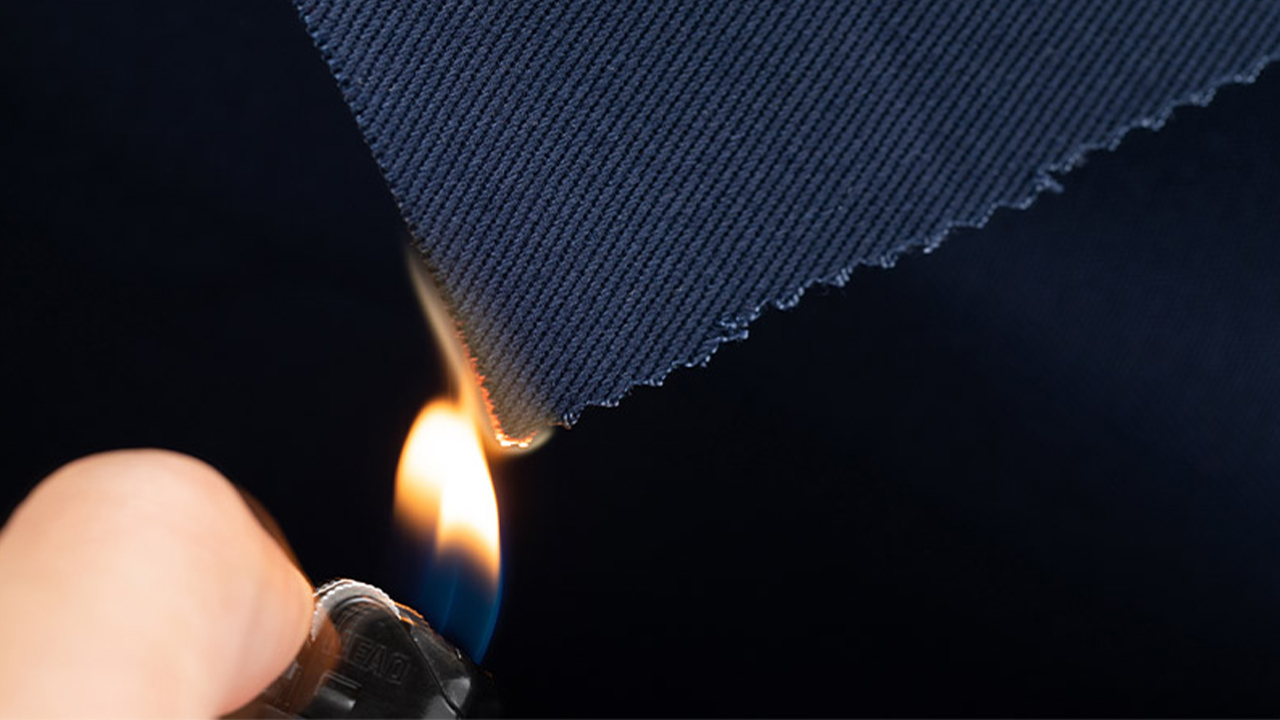
Some flame retardant textile finishing processes use ammonium sulfate for its heat-absorbing decomposition properties. Added at the right point in finishing, it can help reduce flammability in specific fabric types, supporting compliance with fire safety standards required in categories like home textiles, workwear, and children's sleepwear.
Why Textile Auxiliary Chemicals Matter for Sourcing Teams
None of this shows up on a garment's care label, but it shows up in the things buyers actually audit: shade consistency across lots, fiber strength after processing, and compliance documentation for flame retardant claims. As sustainability pressure pushes the industry toward greener, lower-formaldehyde finishing chemistry, ammonium sulfate's low cost and processing flexibility keep it relevant among textile auxiliary chemicals even as formulations evolve.

For platforms like Threadify, this is exactly the kind of input-level detail that helps buyers evaluate supplier capability beyond the finished swatch, understanding what's actually happening in the dye bath and finishing line before an order is placed.

Author Shams Jarin
Digital Marketer
Shams Jarin is a seasoned professional with over seven years of experience in marketing. Passionate about digital transformation and a deep understanding of client needs, she combines industry expertise with cutting-edge solutions. When not developing strategy, Shams Jareen enjoys sharing insights through writing to help others navigate the ever-changing world of apparel sourcing and manufacturing.